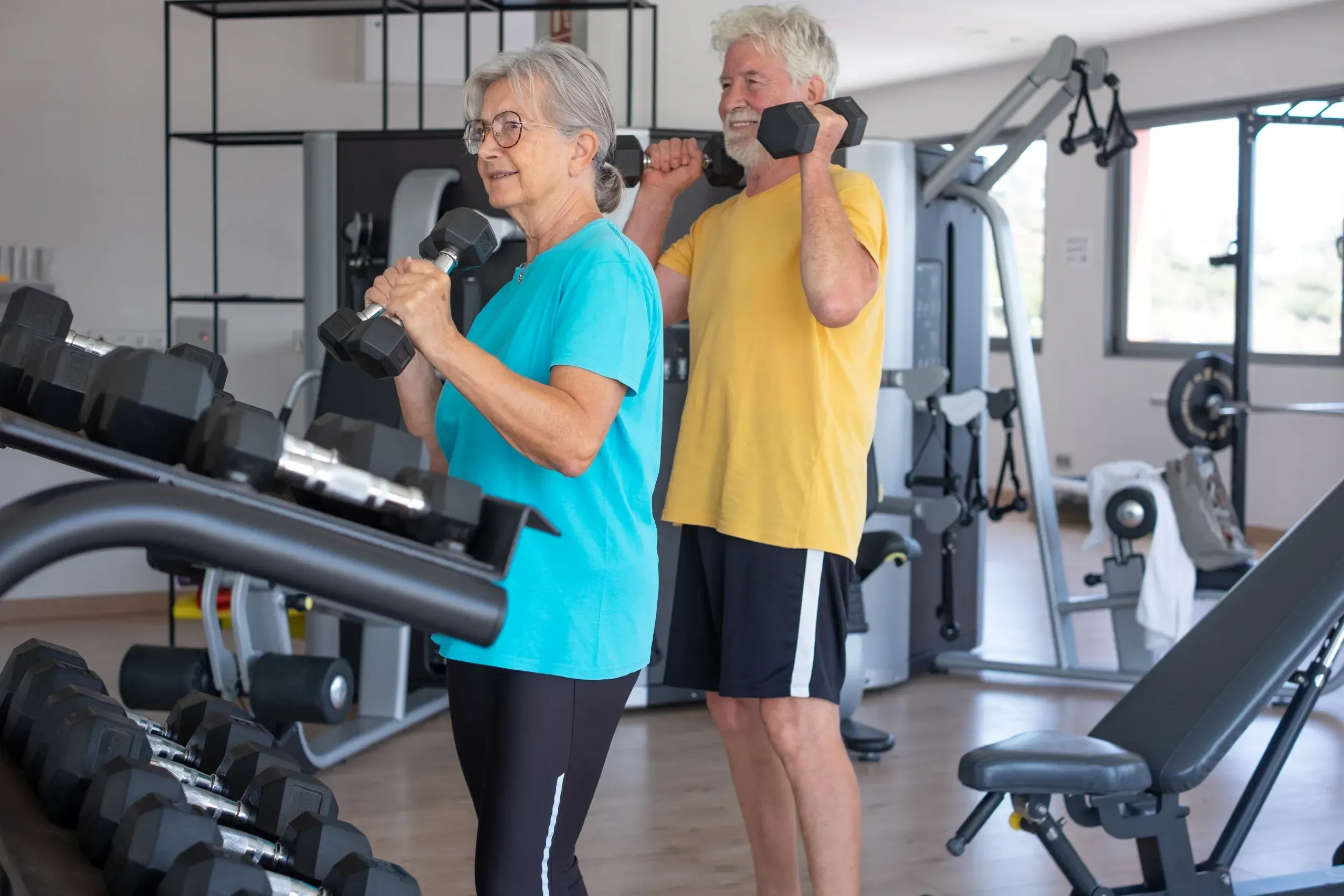

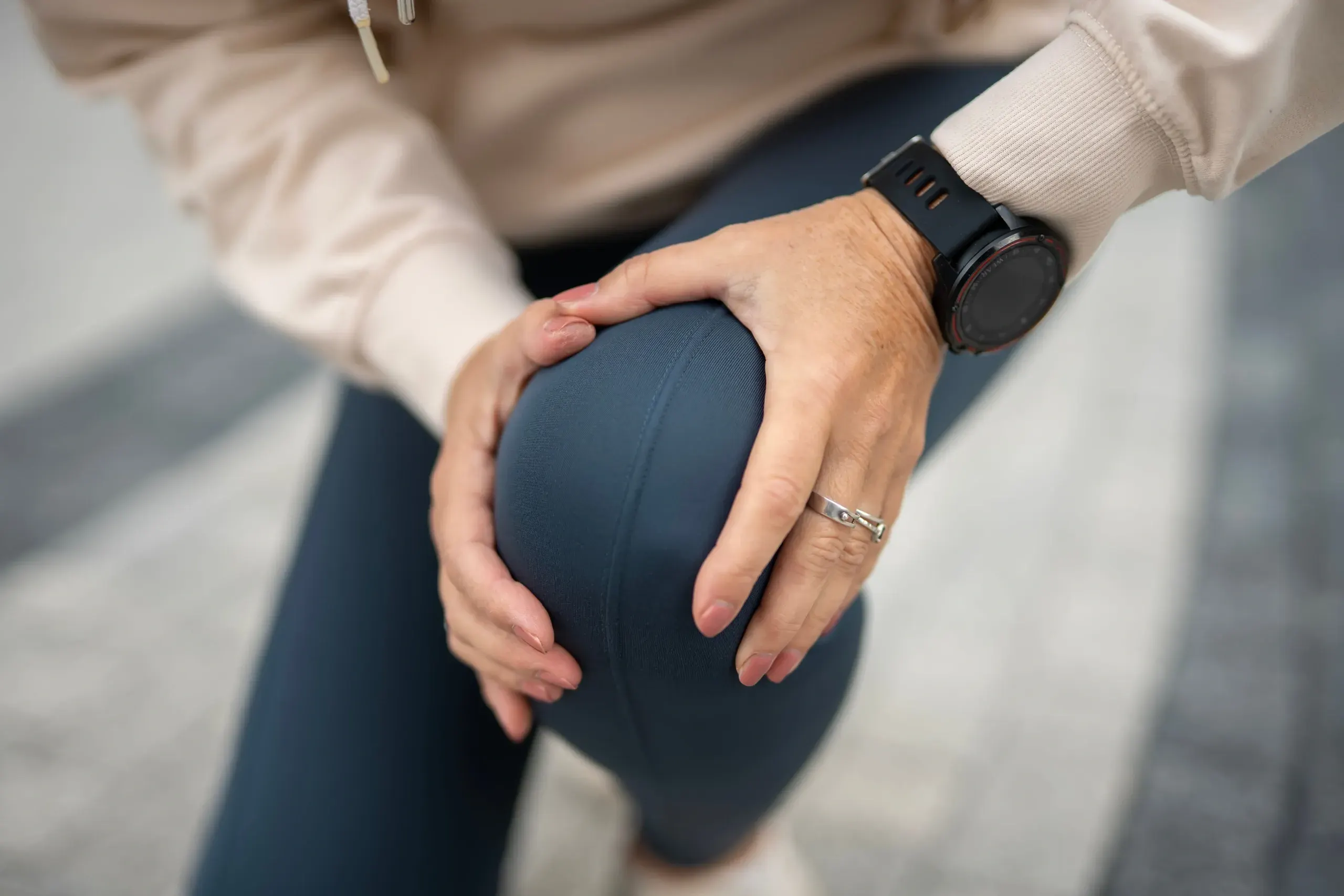

Patient receiving joint pain consultation at Bensa Chiropractic and Wellness Bradenton

Arthritis & Joint Pain Treatment in Bradenton, FL

Reclaim Your Mobility and Comfort

Common In:Adults 40+
Primary Causes:Aging, Inflammation, Overuse
Treatment Time:20-45 minutes
Results:Progressive over 2-6 weeks
Close-up illustration of joint anatomy and arthritis at Bensa Chiropractic and Wellness

What Is Arthritis & Joint Pain?

Recognizing the Signs

Arthritis and joint pain encompass a group of degenerative and inflammatory conditions affecting the joints, characterized by cartilage breakdown, chronic inflammation, and progressive loss of mobility. Osteoarthritis, the most common form, affects over 32.5 million adults in the United States and involves the gradual deterioration of the protective cartilage that cushions the ends of bones within a joint.

When you notice stiffness in your knees upon standing, pain in your hands while gripping, or difficulty climbing stairs that was never an issue before, you are experiencing the hallmark signs of joint degeneration. These changes often develop gradually, making it easy to dismiss early symptoms until they begin interfering with daily activities.

Many patients describe a frustrating cycle where joint discomfort limits their physical activity, and reduced activity further weakens the supporting muscles, accelerating the condition. The resulting loss of independence and inability to enjoy hobbies, exercise, or even routine tasks can significantly affect quality of life and emotional well-being.

Illustration of joint cartilage degeneration process at Bensa Chiropractic and Wellness Bradenton

Why Arthritis & Joint Pain Happens

Understanding the Root Causes

Healthy joints rely on articular cartilage, a smooth tissue that covers bone ends and allows nearly frictionless movement. Under normal conditions, cartilage maintains itself through a balance of breakdown and repair. However, after age 40, cartilage loses approximately 1% of its volume per year, and the body's ability to regenerate this tissue progressively declines.

As cartilage thins, the underlying bone surfaces begin to experience increased mechanical stress, triggering an inflammatory response. The synovial membrane, which produces lubricating fluid within the joint capsule, becomes inflamed and thickened, producing excess fluid that causes swelling and further restricts movement. This cascade from cartilage loss to inflammation to structural change is what patients experience as worsening pain and stiffness.

The surrounding musculoskeletal system compounds the problem. When joint pain alters how you move, compensatory patterns develop in muscles, tendons, and ligaments. These imbalances place abnormal loads on adjacent joints, which is why knee arthritis often accompanies hip or lower back dysfunction, creating a chain of discomfort throughout the body.
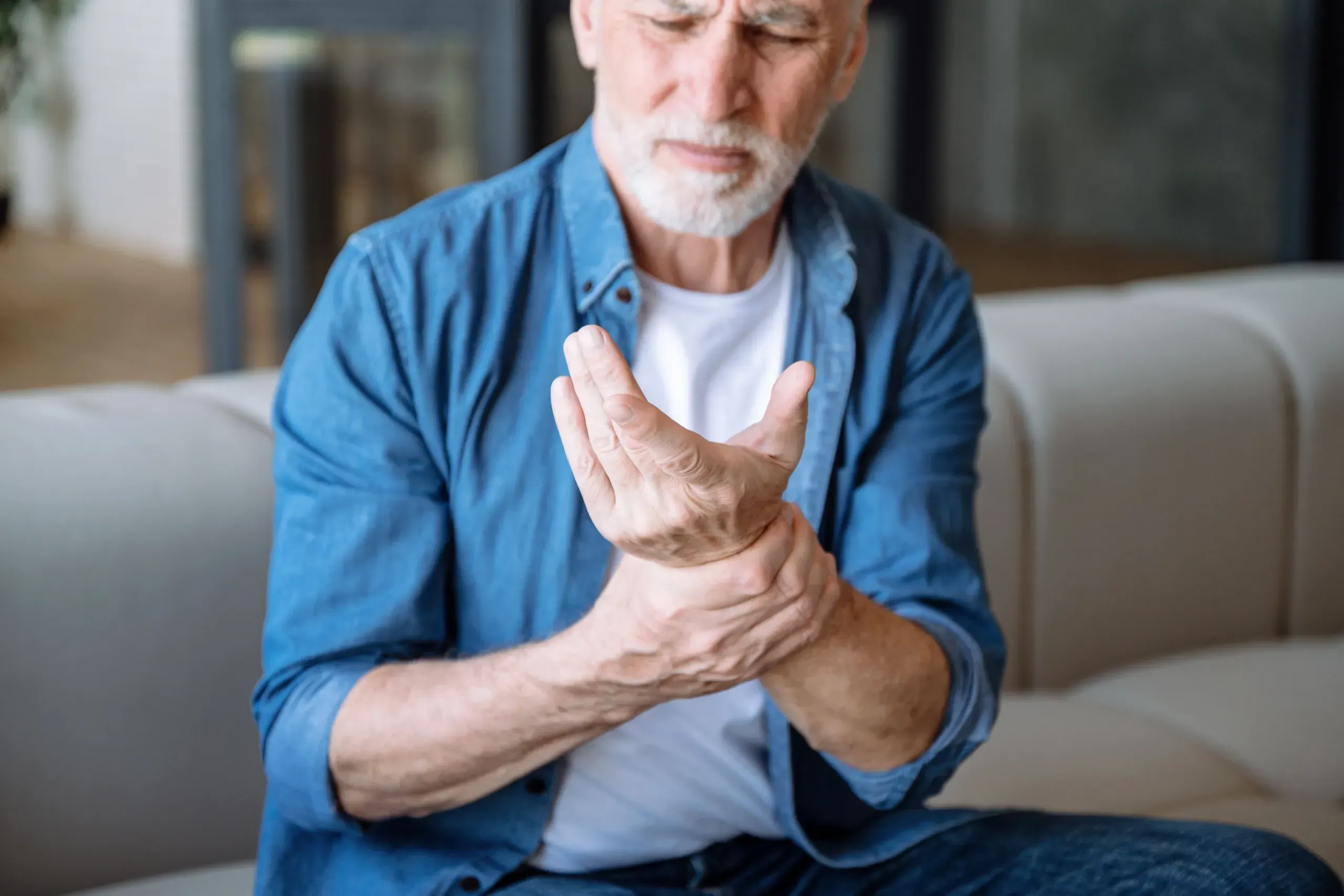

Diagram showing inflammatory process in joints at Bensa Chiropractic and Wellness

Inflammation & Joint Mechanics

How Chronic Inflammation Affects Mobility

Within every joint, a delicate balance exists between pro-inflammatory and anti-inflammatory cytokines, the signaling molecules that regulate immune responses. In healthy joints, these proteins work together to manage normal wear and repair. In arthritic joints, pro-inflammatory cytokines such as interleukin-1 (IL-1) and tumor necrosis factor-alpha (TNF-alpha) become chronically elevated, perpetuating tissue damage beyond what normal healing can address.

This persistent inflammatory state triggers a process called chondrocyte apoptosis, where the specialized cells responsible for maintaining cartilage begin to die at accelerated rates. As these cells diminish, the cartilage matrix loses its ability to retain water and withstand compressive forces, becoming brittle and prone to further breakdown. Research shows that inflammatory markers in synovial fluid can be two to five times higher in osteoarthritic joints compared to healthy ones.

Proprioception, your body's sense of joint position and movement, also deteriorates with arthritis. Damaged joint receptors send inaccurate signals to the brain, leading to impaired balance and coordination. This neurological component of arthritis increases the risk of falls and further injury, particularly in older adults, creating a cycle that chiropractic care can help interrupt through targeted joint mobilization and neuromuscular retraining.

Lifestyle factors affecting joint health at Bensa Chiropractic and Wellness Bradenton

What Accelerates Arthritis & Joint Pain?

Identifying Your Triggers

01

Age-Related Wear

Natural cartilage thinning accelerates after age 40, reducing the joint's ability to absorb impact and maintain smooth, pain-free movement.

02

Excess Body Weight

Every additional pound of body weight places approximately four pounds of extra pressure on weight-bearing joints like knees and hips.

03

Previous Joint Injuries

Past injuries from sports, accidents, or repetitive strain can damage cartilage and alter joint mechanics, increasing the risk of early-onset arthritis.

04

Sedentary Lifestyle

Prolonged inactivity weakens the muscles that support and stabilize joints, leaving cartilage to absorb forces it was not designed to handle alone.

05

Genetic Predisposition

Family history of osteoarthritis or rheumatoid conditions can influence cartilage composition and the body's inflammatory response to joint stress.

06

Occupational Demands

Jobs requiring repetitive kneeling, heavy lifting, or prolonged standing place chronic mechanical stress on joints, accelerating cartilage degradation.

Bensa Chiropractic and Wellness clinic interior in Bradenton Florida

Why Choose Bensa Chiropractic and Wellness

Expert Care in Bradenton

  • Comprehensive Assessment
  • Personalized Treatment Plans
  • Advanced Technologies
  • Holistic Approach

Treatment Options Comparison

Finding Your Best Approach

Treatment Best For Session Time Results Timeline Maintenance
Chiropractic Adjustments Joint alignment & mobility 15-25 min 1-3 weeks Bi-weekly to monthly
Physical Therapy Strength & stability 30-45 min 2-4 weeks 2-3x weekly initially
Shockwave Therapy Chronic inflammation & tissue repair 15-20 min 3-6 weeks Weekly for 4-6 sessions
Therapeutic Ultrasound Deep tissue pain relief 10-15 min 1-2 weeks 2-3x weekly for 4 weeks
Person concerned about joint pain at Bensa Chiropractic and Wellness

You May Be Experiencing Arthritis & Joint Pain If...

Recognizing When to Seek Help

  • Morning Stiffness
  • Activity-Related Pain
  • Reduced Range of Motion
  • Joint Swelling or Warmth
  • Grinding or Clicking
  • Declining Activity Levels

Frequently Asked Questions

About Arthritis & Joint Pain

01 Can chiropractic care help with arthritis, or is it only for back pain?

Chiropractic care addresses joint dysfunction throughout the body, not just the spine. Chiropractic adjustments can improve joint mobility, reduce inflammation, and restore proper alignment in arthritic knees, hips, shoulders, and hands. Many patients experience meaningful pain reduction and improved function.

02 Can I prevent arthritis from getting worse?

While arthritis is a progressive condition, many patients can significantly slow its advancement through regular movement, maintaining a healthy weight, and professional care. Strengthening the muscles around affected joints through physical therapy provides critical support and reduces the mechanical stress on damaged cartilage.

03 How do I know which treatment is right for my joint pain?

A thorough evaluation of your joint condition, medical history, and functional goals helps determine the most effective approach. Many patients benefit from a combination of chiropractic adjustments and complementary therapies like shockwave therapy or therapeutic ultrasound, which target different aspects of the condition.

04 How quickly will I notice improvement in my joint pain?

Many patients report noticeable improvement in joint mobility and pain levels within the first two to three weeks of consistent care. However, building lasting joint stability and strength typically requires several weeks of combined chiropractic and rehabilitative treatment.

05 Is it normal for joints to become more painful as I age?

Some degree of joint change is a normal part of aging, but significant pain and functional limitation are not inevitable. Professional intervention can address the underlying biomechanical issues, reduce inflammation, and help you maintain an active, comfortable lifestyle regardless of age.

06 Can Florida's humidity affect my joint pain?

Many patients report that changes in barometric pressure and humidity influence their joint symptoms. While research on weather and arthritis is ongoing, maintaining consistent joint care and staying active helps minimize the impact of environmental fluctuations on your comfort.

07 What can I do at home between appointments to manage joint pain?

Gentle daily movement, such as walking or swimming, helps maintain joint lubrication and muscle strength. Applying ice to swollen joints, practicing the stretches your chiropractor recommends, and maintaining a healthy weight all support your in-office treatment progress.

08 Can multiple treatments be combined for better results?

Yes, combining therapies is often the most effective approach for arthritis management. For example, chiropractic adjustments restore proper joint alignment while physical therapy strengthens supporting muscles, and shockwave therapy addresses chronic inflammation at the tissue level.

Location4618 E State Road 64
Bradenton, FL, 34208

Schedule Your Consultation


Scientific References

  1. 1. PubMed (PMID: 32309424) - Systematic review and meta-analysis found extracorporeal shockwave therapy to be an effective and safe treatment for osteoarthritis, with significant improvements in pain and function.
  2. 2. PubMed (PMID: 37346776) - Network meta-analysis of exercise therapy for knee osteoarthritis found all five types of exercise (aquatic, aerobic, yoga, resistance, cycling) effective, with aerobic exercise best for pain relief.
  3. 3. PubMed (PMID: 32063035) - Randomized controlled trial demonstrated that continuous therapeutic ultrasound combined with exercises is effective for improving pain, mobility, and function in knee osteoarthritis patients.
  4. 4. PubMed (PMID: 31121333) - Meta-analysis confirmed exercise therapy produces clinically meaningful reductions in pain and improvements in physical function for patients with knee and hip osteoarthritis.
  5. 5. Medical consensus - Chiropractic spinal and extremity manipulation improves joint mobility, reduces pain, and addresses biomechanical compensations in patients with osteoarthritis.