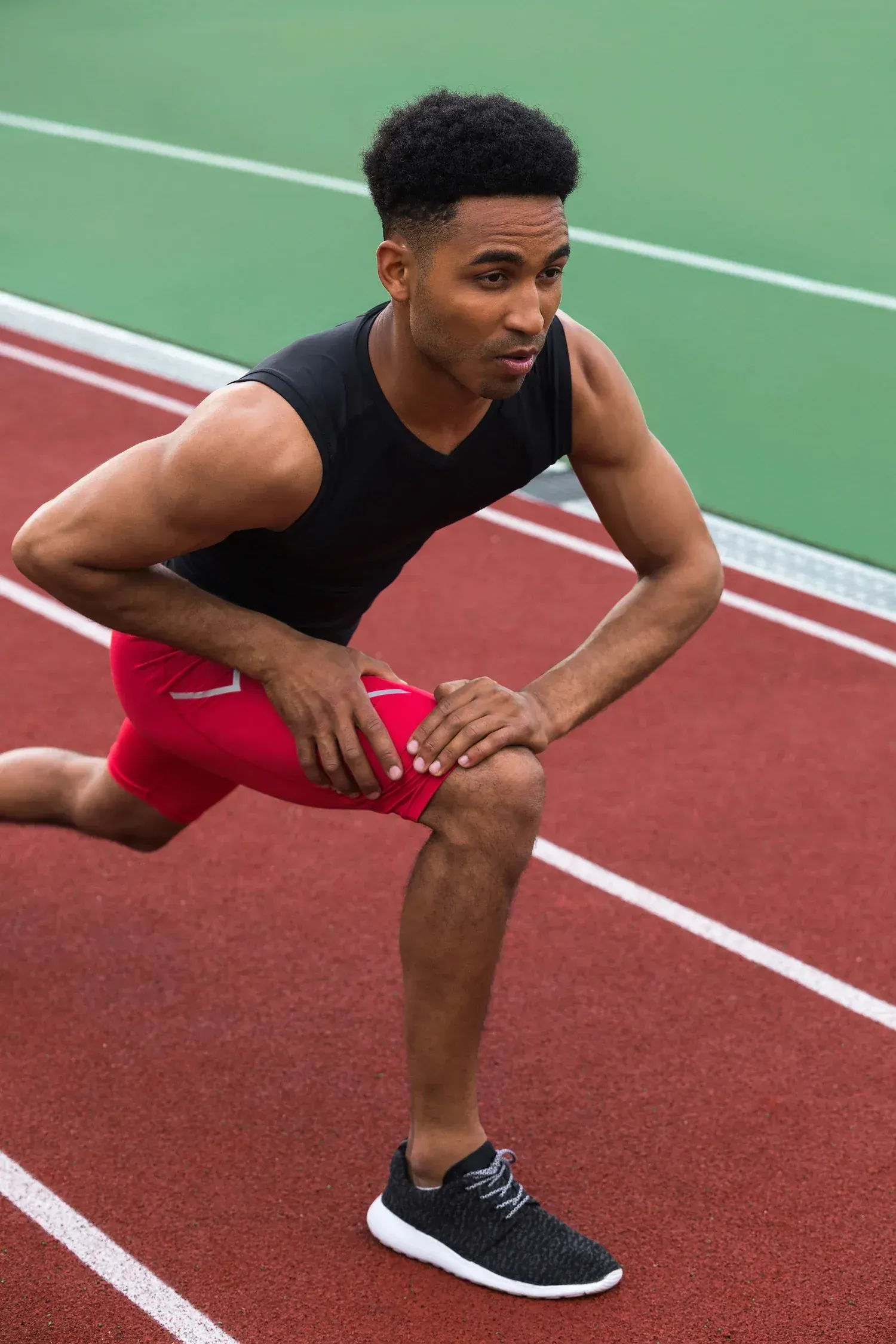
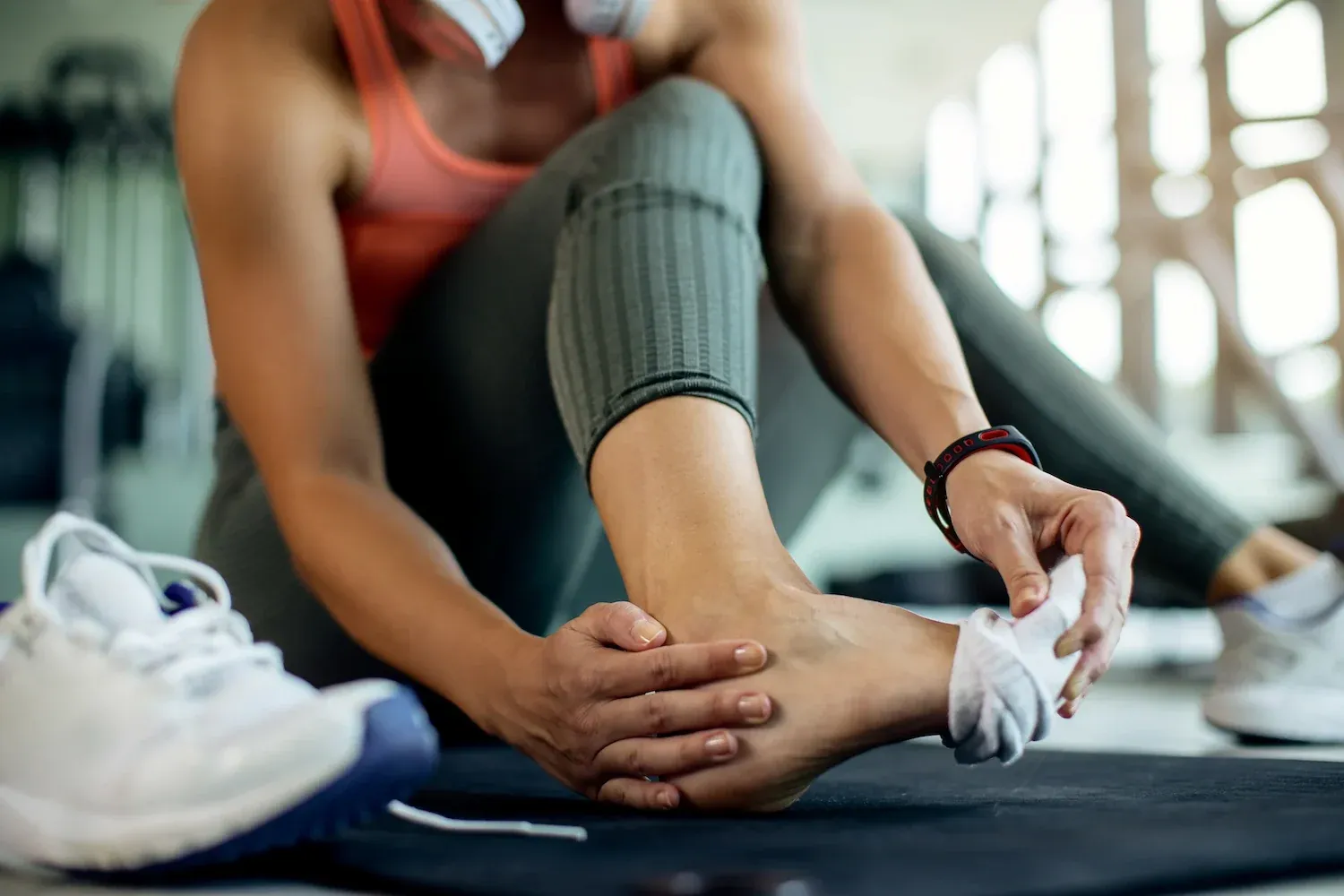

Athlete receiving sports injury evaluation at Bensa Chiropractic and Wellness Bradenton

Sports Injury Treatment in Bradenton, FL

Recover Stronger and Get Back in the Game

Common In:Athletes & Active Adults
Primary Causes:Overuse, Trauma, Imbalance
Treatment Time:20-45 minutes
Results:Immediate to 6 weeks
Close-up visual of sports injury concerns at Bensa Chiropractic and Wellness

What Are Sports Injuries?

Recognizing the Signs

Sports injuries encompass a broad range of musculoskeletal conditions resulting from athletic activity, exercise, or physical recreation. These injuries affect muscles, tendons, ligaments, joints, and bones, ranging from acute traumatic events like sprains and strains to chronic overuse conditions such as tendinopathy and stress fractures. The musculoskeletal system absorbs tremendous forces during athletic movement, and when those forces exceed tissue tolerance, injury occurs.

When you feel that sharp twinge during a sprint, notice persistent soreness after every practice, or realize your range of motion has gradually decreased, you are experiencing the hallmark signs of a sports injury. These conditions manifest as localized pain, swelling, stiffness, or weakness that limits your ability to perform at your best.

Many athletes describe the frustration of feeling "held back" by their body or noticing that one side moves differently than the other. The impact extends beyond physical discomfort, affecting training schedules, competitive performance, and the active lifestyle that defines who you are.

Illustration of musculoskeletal biomechanics at Bensa Chiropractic and Wellness Bradenton

Why Sports Injuries Happen

Understanding the Root Causes

The musculoskeletal system is designed to handle repetitive stress through a continuous cycle of tissue breakdown and repair. Under normal training loads, muscles and connective tissues rebuild stronger during rest periods, a process known as supercompensation. However, when training volume or intensity exceeds the body's capacity to recover, cumulative microtrauma accumulates faster than repair can occur, leading to overuse injuries that account for approximately 50% of all sports-related conditions.

Acute injuries occur when a single force event exceeds tissue strength, such as a sudden change of direction that tears a ligament or a collision that strains muscle fibers. The severity depends on the magnitude and direction of force relative to tissue resilience. Biomechanical imbalances, such as asymmetric muscle strength or restricted joint mobility, concentrate stress on specific structures and dramatically increase vulnerability.

Your body's kinetic chain, the interconnected system of joints, muscles, and fascia that transfers force during movement, functions as a unified system. When one link in this chain is compromised through poor mobility, muscle weakness, or prior injury, adjacent structures compensate and absorb disproportionate loads, creating a cascade of dysfunction that often leads to injury in areas far from the original problem.
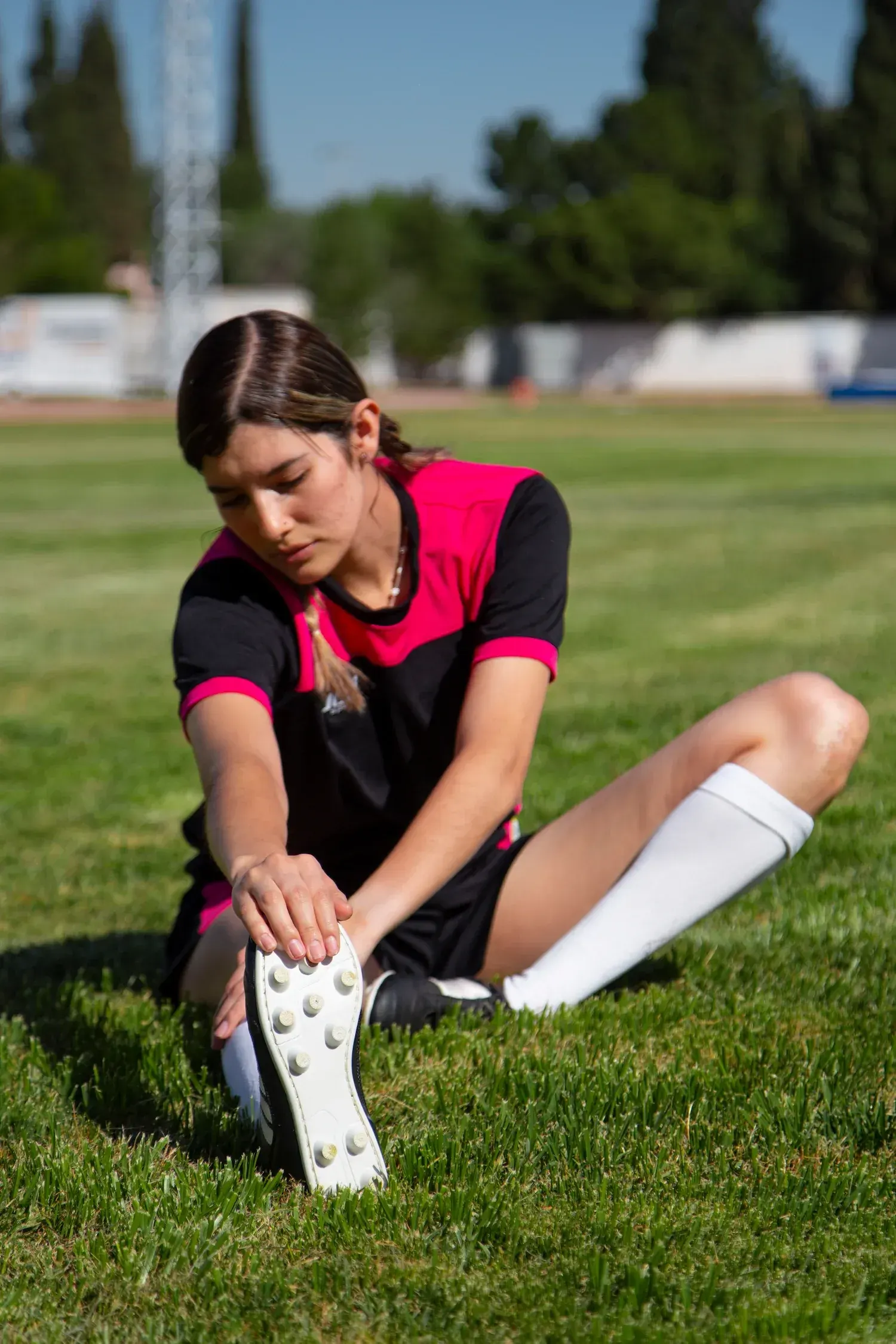
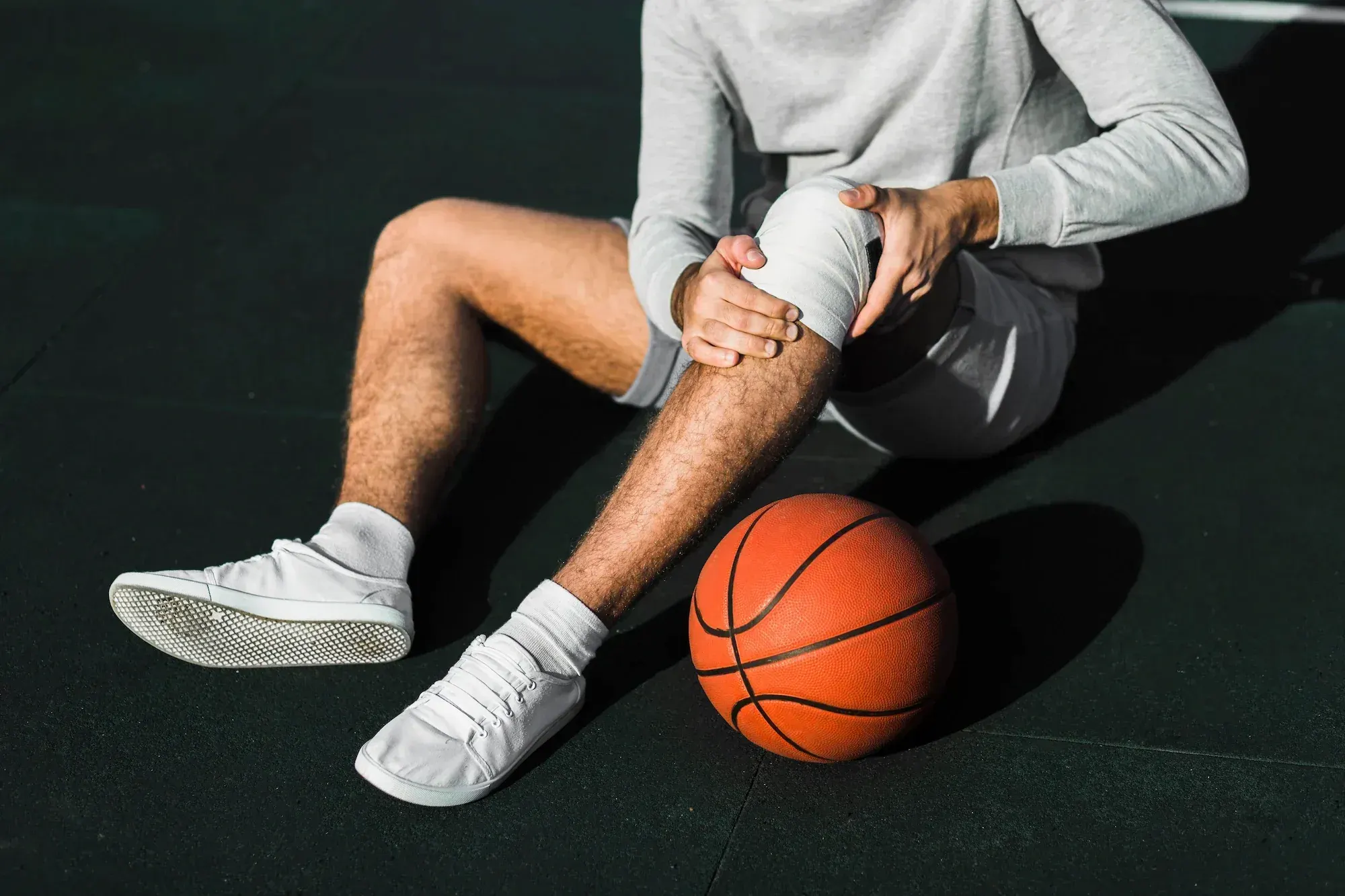
Diagram showing soft tissue mechanics at Bensa Chiropractic and Wellness

Soft Tissue & Joint Mechanics

How Repetitive Stress Affects Recovery

Tendons, ligaments, and fascial tissues provide the structural framework that stabilizes joints and transmits muscular force during athletic movement. Collagen fibers within these tissues are arranged in parallel bundles optimized for specific loading patterns. When repetitive stress causes micro-tears, the repair process produces disorganized scar tissue with collagen fibers oriented in random directions, reducing the tissue's ability to handle its intended loads.

Myofascial adhesions, commonly called "knots" or trigger points, form when damaged muscle fibers and surrounding fascia bind together during the healing process. These adhesions restrict normal sliding between tissue layers, reduce blood flow to the affected area, and alter the neuromuscular signaling patterns that coordinate smooth, pain-free movement. Research shows that adhesion formation can begin within 72 hours of an initial strain.

Joint proprioception, your body's ability to sense position and movement, becomes impaired following injury. Studies demonstrate that even mild ankle sprains reduce proprioceptive accuracy by up to 30%, increasing the risk of re-injury. This sensory deficit persists long after pain resolves, which is why athletes who "feel fine" often re-injure the same area without proper rehabilitation that restores neuromuscular control.

Lifestyle factors affecting sports injuries at Bensa Chiropractic and Wellness Bradenton

What Accelerates Sports Injuries?

Identifying Your Triggers

01

Training Overload

Increasing volume, intensity, or frequency too rapidly overwhelms tissue adaptation, with injury risk rising sharply when weekly training loads increase by more than 10%.

02

Biomechanical Imbalances

Muscle strength asymmetries, restricted joint mobility, and poor movement patterns concentrate stress on vulnerable structures during repetitive athletic motions.

03

Inadequate Recovery

Insufficient sleep, poor nutrition, and lack of rest days prevent the tissue repair cycle from completing, allowing cumulative microtrauma to accumulate.

04

Previous Injury History

Prior injuries create scar tissue and altered movement patterns that increase re-injury risk by two to three times compared to previously uninjured athletes.

05

Environmental Conditions

Florida's heat and humidity accelerate fatigue and dehydration, impairing muscular coordination and reaction time during outdoor training and competition.

06

Age-Related Changes

Natural decreases in tissue elasticity, hydration, and blood supply after age 30 reduce the body's tolerance for high-impact and repetitive loading activities.

Bensa Chiropractic and Wellness clinic interior in Bradenton Florida

Why Choose Bensa Chiropractic and Wellness

Expert Care in Bradenton

  • Comprehensive Assessment
  • Personalized Treatment Plans
  • Advanced Technologies
  • Sports-Focused Expertise

Treatment Options Comparison

Finding Your Best Approach

Treatment Best For Session Time Results Timeline Maintenance
Sports Chiropractic Joint alignment & mobility 20-30 min Immediate relief As needed
Physical Therapy Functional rehabilitation 30-45 min 2-6 weeks Weekly initially
Shockwave Therapy Chronic tendon injuries 15-20 min 3-6 weeks Weekly for 4-6 sessions
IASTM (Graston Technique) Scar tissue & adhesions 15-25 min 2-4 weeks 1-2x weekly
Athlete concerned about sports injury at Bensa Chiropractic and Wellness

You May Be Experiencing a Sports Injury If...

Recognizing When to Seek Help

  • Persistent Pain
  • Reduced Performance
  • Limited Range of Motion
  • Recurring Swelling
  • Compensating Movements
  • Clicking or Catching

Frequently Asked Questions

About Sports Injuries

01 Can I prevent sports injuries from getting worse?

Proper warm-up routines, gradual training progression, and attention to recovery can slow progression. However, many sports injuries involve structural damage that requires professional evaluation and treatment to prevent chronic complications and recurrent episodes.

02 How do I know which treatment is right for my specific injury?

A professional biomechanical assessment evaluates your injury type, severity, movement patterns, and athletic goals to recommend the most effective approach. During your evaluation, we may recommend a combination of treatments such as chiropractic adjustments and physical therapy for comprehensive recovery.

03 How quickly will I see improvement after starting treatment?

Many patients notice reduced pain and improved mobility after their first few sessions. Full functional recovery typically develops over two to six weeks with consistent care, depending on the injury severity and your commitment to the rehabilitation plan.

04 Can I continue training while receiving treatment for a sports injury?

In many cases, yes. We work with you to modify your training program so you can stay active while allowing the injured area to heal. Complete rest is rarely necessary, and activity modification typically produces better outcomes than total inactivity.

05 Is it normal for old injuries to flare up during sports?

Yes, previous injuries often create scar tissue and altered movement patterns that can resurface under athletic demands. Professional treatment addresses these underlying compensations to reduce re-injury risk and restore proper biomechanics.

06 Can chiropractic care and physical therapy be combined for sports injuries?

Absolutely. Combining chiropractic adjustments to restore joint alignment with physical therapy for strength and coordination produces comprehensive results. Many of our athletes benefit from this integrated approach to address both structural and functional aspects of recovery.

07 When should I see a professional about a sports injury instead of treating it at home?

If pain persists beyond two weeks of home care, limits your normal activities, causes visible swelling or bruising, or recurs with each training session, professional evaluation is recommended. Early intervention typically leads to faster recovery and fewer long-term complications.

Location4618 E State Road 64
Bradenton, FL, 34208

Schedule Your Consultation