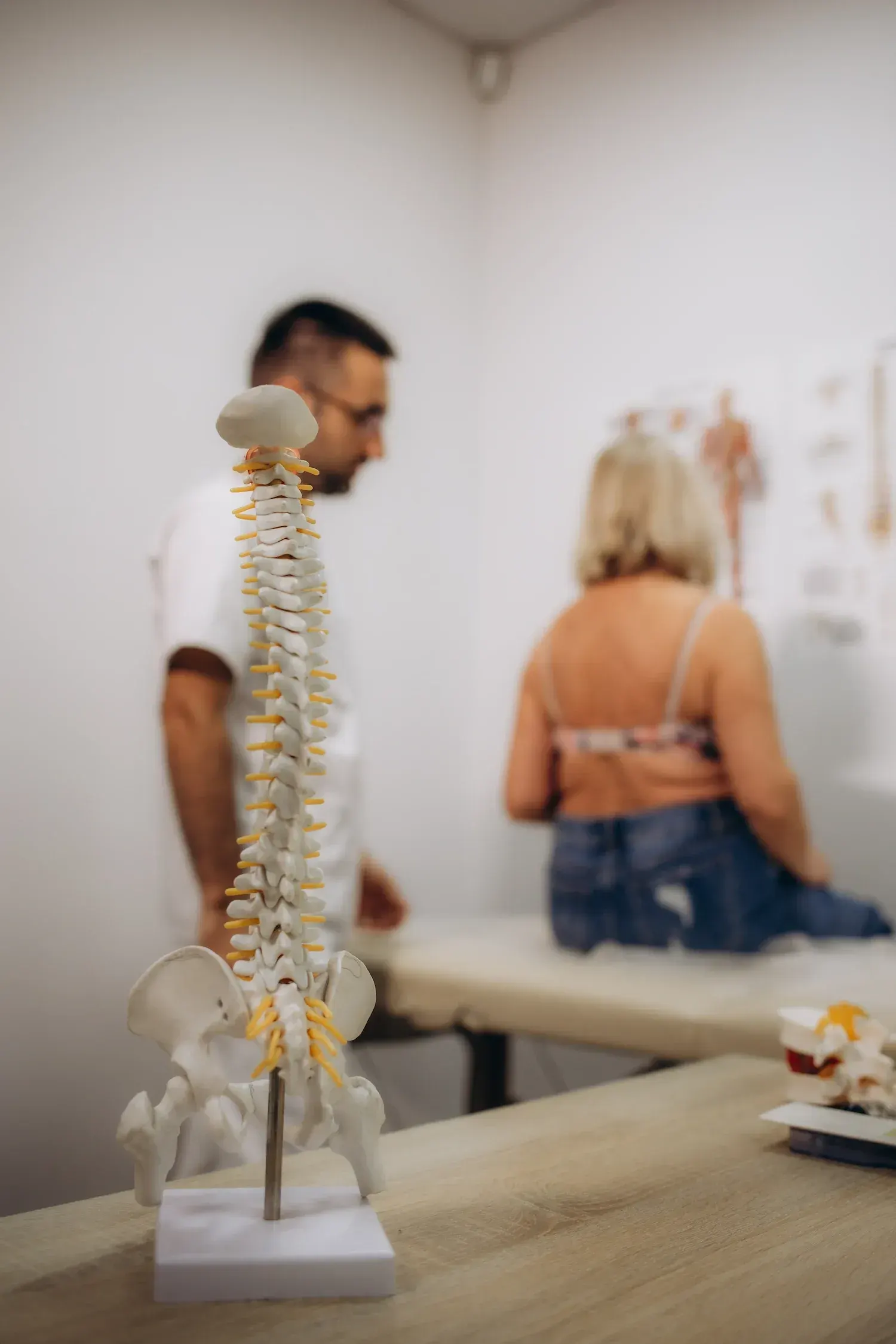

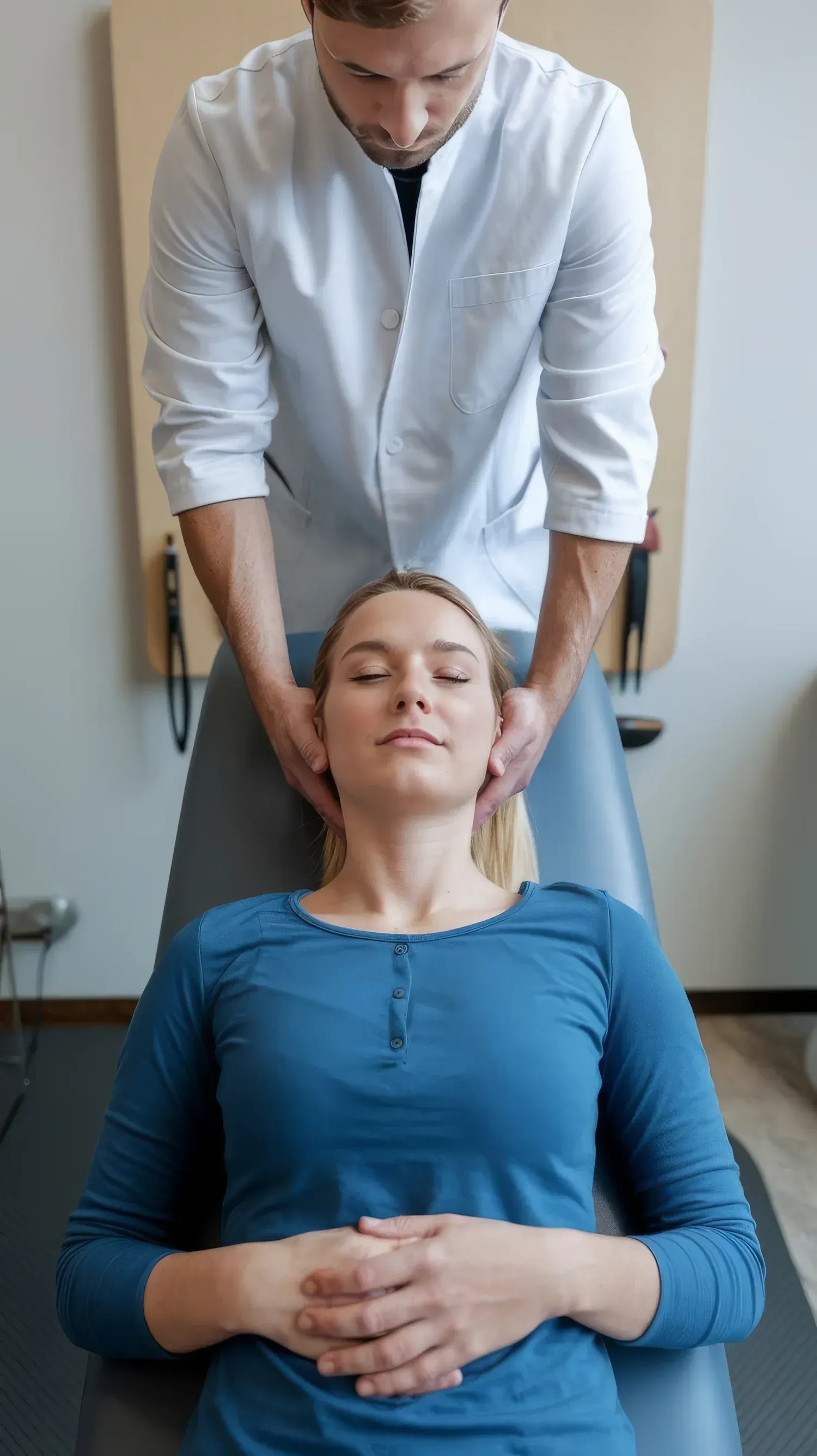

Patient receiving auto accident injury assessment at Bensa Chiropractic and Wellness Bradenton

Auto Accident Injury Treatment in Bradenton, FL

Reclaim Your Mobility and Comfort

Common In:All Ages, All Drivers
Primary Causes:Rear-End, Side-Impact, Rollover
Treatment Time:30-60 minutes
Results:2-8 weeks progressive
Close-up visual of neck and back injury concerns at Bensa Chiropractic and Wellness

What Are Auto Accident Injuries?

Recognizing the Signs

Auto accident injuries encompass a range of musculoskeletal and soft tissue conditions caused by the sudden forces exerted during a motor vehicle collision. These injuries often involve the cervical, thoracic, and lumbar spine, as well as surrounding muscles, ligaments, and tendons. Whiplash-associated disorders (WAD) are among the most common, resulting from rapid acceleration-deceleration forces that strain the neck and upper back.

When you walk away from a car accident feeling "fine," only to wake the next morning with stiffness, headaches, or shooting pain down your arm, you are experiencing the delayed onset of soft tissue inflammation that characterizes many collision injuries. Adrenaline can mask symptoms for hours or even days, making it critical to seek evaluation promptly.

Many patients describe feeling like their body is "locked up" or that they cannot turn their head without sharp discomfort. Activities you once performed without thinking, such as checking your blind spot or lifting a grocery bag, may suddenly feel impossible. The invisible nature of these injuries often leaves patients feeling dismissed or frustrated.

Illustration of spinal biomechanics during vehicle collision at Bensa Chiropractic and Wellness Bradenton

Why Auto Accident Injuries Happen

Understanding the Root Causes

The human spine is designed to absorb gradual forces through its natural curvature and intervertebral disc cushioning. During a collision, even at speeds as low as 5 mph, the body experiences forces that far exceed what the musculoskeletal system can absorb in a fraction of a second. The head, weighing approximately 10 to 12 pounds, acts as a pendulum that amplifies these forces through the cervical spine.

This sudden acceleration-deceleration creates micro-tears in the muscles, ligaments, and joint capsules surrounding the vertebrae. When spinal joints are forced beyond their normal range of motion, the resulting subluxations and misalignments compress nerves, restrict blood flow, and trigger an inflammatory cascade. Without correction, the body compensates with muscle guarding and altered movement patterns that lead to chronic pain.

Your nervous system responds to collision trauma by activating a protective spasm reflex, tightening the muscles around injured areas to prevent further damage. While this response is initially protective, prolonged muscle guarding restricts joint mobility, accelerates degeneration, and creates secondary pain patterns in areas far from the original point of impact.


Diagram showing delayed injury response after auto accident at Bensa Chiropractic and Wellness

Delayed Onset & Hidden Injuries

How Adrenaline Masks Collision Trauma

The body's acute stress response floods the bloodstream with adrenaline and endorphins immediately after a collision, effectively masking pain signals that would otherwise alert you to tissue damage. This neurochemical surge explains why many accident victims report feeling "perfectly fine" at the scene, only to develop debilitating symptoms 24 to 72 hours later when these hormones subside.

Soft tissue injuries such as ligament sprains, disc herniations, and facet joint irritation do not appear on standard emergency room X-rays, which primarily detect fractures. Advanced imaging like MRI may be needed to reveal disc bulges, edema, or ligament tears. This diagnostic gap means many patients are discharged from the ER with the false reassurance that nothing is wrong, delaying the rehabilitation their bodies need.

Scar tissue formation begins within days of the initial injury. Without proper mobilization and chiropractic intervention during this critical window, adhesions develop along irregular patterns that permanently restrict range of motion. Early treatment helps guide the healing process so that new tissue forms along functional lines, preserving long-term flexibility and joint health.

Lifestyle factors affecting auto accident injury recovery at Bensa Chiropractic and Wellness Bradenton

What Worsens Auto Accident Injuries?

Identifying Your Triggers

01

Collision Mechanics

Rear-end impacts create the most severe whiplash forces because the torso accelerates forward while the head lags behind, hyperextending the cervical spine before it snaps into flexion.

02

Delayed Treatment

Waiting more than 14 days to begin care allows scar tissue to form along dysfunctional patterns, significantly extending recovery time and reducing long-term range of motion.

03

Pre-Existing Conditions

Prior spinal degeneration, disc disease, or previous injuries make the spine more vulnerable to collision forces and can amplify the severity of new injuries.

04

Sedentary Recovery

Prolonged bed rest or immobilization after an accident weakens supporting muscles and stiffens joints, contradicting current evidence that favors early active mobilization.

05

Occupant Position

Head rotation at the moment of impact, improper headrest positioning, or being unaware of the impending collision increases injury severity by preventing the body from bracing naturally.

Bensa Chiropractic and Wellness clinic interior in Bradenton Florida

Why Choose Bensa Chiropractic and Wellness

Expert Care in Bradenton

  • Trauma Protocol Certified
  • Comprehensive Injury Assessment
  • Multi-Modal Treatment Plans
  • PIP Insurance Expertise

Treatment Options Comparison

Finding Your Best Approach

Treatment Best For Session Time Results Timeline Maintenance
Chiropractic Adjustments Spinal realignment & mobility 20-30 min 1-3 weeks As needed
Physical Therapy Strength & range of motion 30-45 min 2-6 weeks Ongoing program
Electrical Stimulation (E-Stim) Pain & muscle spasm relief 15-20 min Immediate relief Per session
Spinal Decompression Disc herniation & nerve pressure 30-45 min 3-6 weeks Series of sessions
Person concerned about persistent pain after auto accident at Bensa Chiropractic and Wellness

You May Be Experiencing Auto Accident Injuries If...

Recognizing When to Seek Help

  • Neck Stiffness
  • Radiating Pain
  • Persistent Headaches
  • Back Tightness
  • Sleep Disruption
  • Numbness or Tingling

Frequently Asked Questions

About Auto Accident Injuries

01 How soon after a car accident should I see a chiropractor?

We recommend scheduling an evaluation as soon as possible, ideally within the first few days. Under Florida law, you must seek medical care within 14 days of your accident to qualify for PIP (Personal Injury Protection) benefits. Early intervention also helps prevent scar tissue from forming along dysfunctional patterns.

02 Does my Florida auto insurance cover chiropractic care after an accident?

Yes. Florida's no-fault PIP insurance typically covers up to $10,000 in medical expenses, including chiropractic treatment, regardless of who caused the accident. Our team helps you navigate the claims process so you can focus on your recovery rather than paperwork.

03 I feel fine after my accident. Do I still need to be evaluated?

Absolutely. Adrenaline and endorphins released during a collision can mask pain for 24 to 72 hours. Many soft tissue injuries, including whiplash, disc bulges, and ligament sprains, do not produce symptoms immediately. A thorough evaluation can identify hidden injuries before they develop into chronic conditions.

04 How long does recovery from an auto accident injury typically take?

Recovery timelines vary depending on injury severity, your overall health, and how quickly treatment begins. Many patients experience significant improvement within two to six weeks of consistent chiropractic care, though more complex injuries involving disc herniations may require a longer course of treatment.

05 Can chiropractic adjustments be combined with other therapies for faster recovery?

Yes. At Bensa Chiropractic and Wellness, we often combine chiropractic adjustments with physical therapy, electrical stimulation, and spinal decompression to address multiple aspects of your injury simultaneously. This multi-modal approach typically produces faster and more complete recovery outcomes.

06 What if the accident was not my fault? Can I still receive treatment?

Florida operates under a no-fault insurance system, which means your own PIP coverage applies regardless of who caused the accident. You have the right to choose your healthcare provider, and we work directly with auto insurance carriers to streamline your care.

07 Will I need X-rays or imaging after my car accident?

Our doctors perform a comprehensive examination including orthopedic and neurological testing to determine whether imaging is necessary. While standard X-rays detect fractures, we may recommend advanced imaging such as MRI to evaluate soft tissue injuries like disc herniations or ligament tears that are not visible on X-rays.

08 What types of injuries do you treat from auto accidents?

We treat the full spectrum of musculoskeletal injuries resulting from motor vehicle collisions, including whiplash, cervical and lumbar sprains, disc herniations, sciatica, headaches, shoulder injuries, and mid-back pain. Both Dr. Benejan and Dr. Santana are trauma protocol certified for these conditions.

Location4618 E State Road 64
Bradenton, FL, 34208

Schedule Your Consultation


Scientific References

  1. 1. PubMed (PMID: 20364057) - A systematic review of chiropractic management of adults with whiplash-associated disorders found baseline evidence that chiropractic care improves cervical range of motion and pain outcomes.
  2. 2. PubMed (PMID: 27836071) - Clinical practice guideline for the management of neck pain-associated disorders and whiplash-associated disorders recommends multimodal care including manual therapy and exercise.
  3. 3. PubMed (PMID: 10888946) - Early intervention comparing two treatment protocols for whiplash-associated disorders demonstrated that active early mobilization produced superior pain reduction compared to standard rest protocols.
  4. 4. PubMed (PMID: 32438092) - A systematic review and meta-analysis confirmed that exposure to a motor vehicle collision significantly increases the risk of future back pain, supporting the importance of early comprehensive treatment.
  5. 5. PubMed (PMID: 19411766) - Meta-analysis of risk factors for persistent whiplash problems identified delayed treatment initiation and passive coping strategies as significant predictors of poor long-term outcomes.