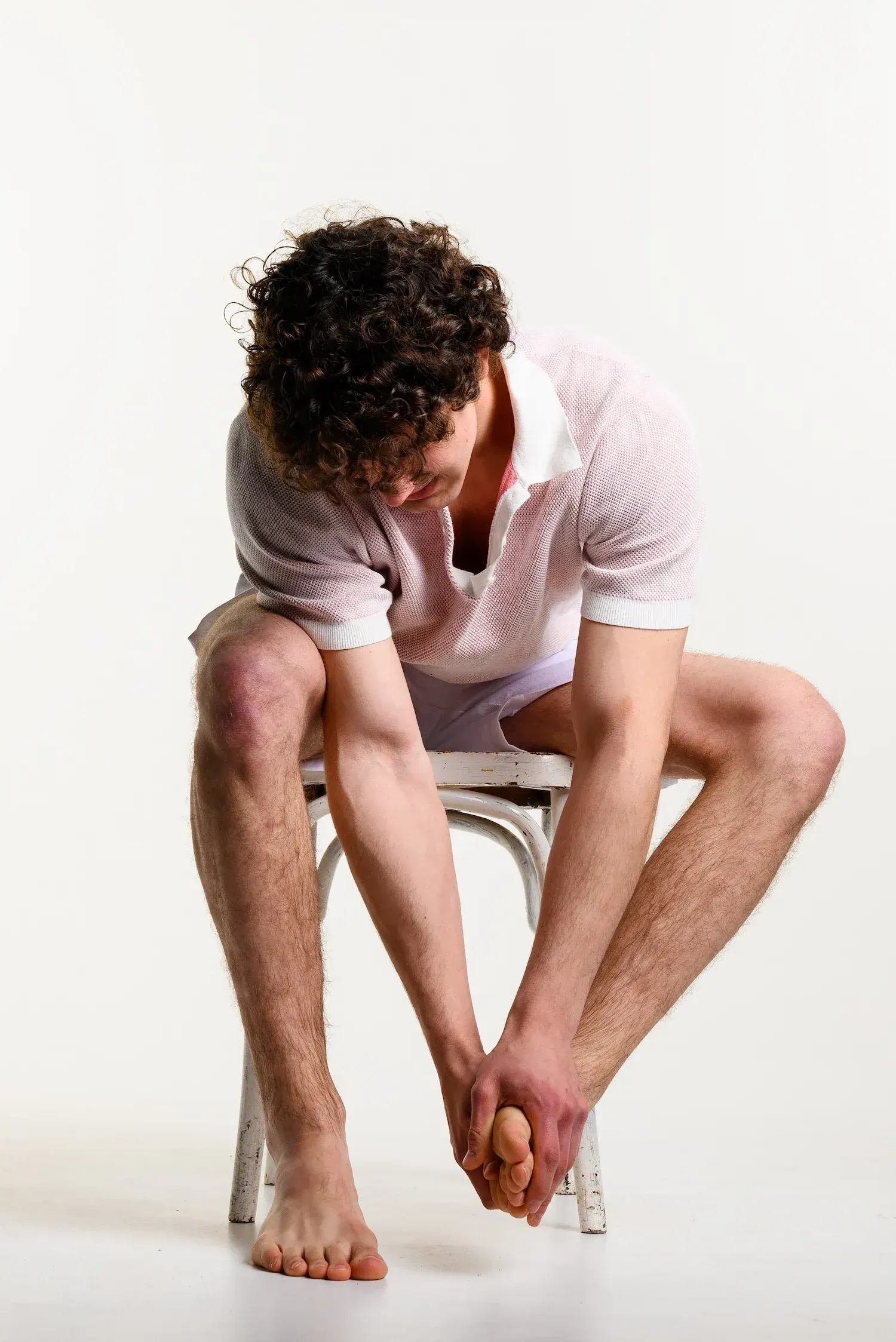


Patient receiving personal injury chiropractic consultation at Bensa Chiropractic and Wellness Bradenton

Personal Injury Chiropractic in Bradenton, FL

Recover Fully and Reclaim Your Life

Common In:Adults of All Ages
Primary Causes:Falls, Workplace, Accidents
Treatment Time:30-60 minutes
Results:2-12 weeks
Close-up visual of personal injury assessment at Bensa Chiropractic and Wellness

What Is Personal Injury Chiropractic?

Recognizing the Signs

Personal injury chiropractic addresses musculoskeletal trauma resulting from incidents beyond your control, including slip and fall accidents and other sudden-impact events. These injuries often involve misalignment of the spine and joints, soft tissue damage, and nerve compression that may not present symptoms immediately but can develop into chronic conditions without proper evaluation and treatment.

When you experience persistent pain, stiffness, or reduced range of motion following an accident, a fall on someone else's property, or another traumatic event, you may be dealing with injuries that require specialized chiropractic intervention. These symptoms can appear hours, days, or even weeks after the initial incident, making early professional assessment critical.

Many patients describe feeling "fine" immediately after an injury, only to discover growing discomfort that interferes with daily activities, work performance, and quality of life. The delayed onset of symptoms is particularly common with soft tissue injuries and spinal misalignments that worsen without intervention.

Illustration of spinal misalignment from injury at Bensa Chiropractic and Wellness Bradenton

Why Personal Injuries Cause Lasting Pain

Understanding the Root Causes

When sudden force impacts the body, whether from a fall or a collision, the musculoskeletal system absorbs energy that can displace vertebrae, strain ligaments, and tear muscle fibers. Research shows that even low-velocity impacts can generate forces exceeding 4.5 G on the cervical spine, enough to cause subluxations and soft tissue damage that compromise spinal alignment and nerve function.

This spinal misalignment creates a cascade of problems: compressed nerves send pain signals throughout the body, inflamed tissues restrict movement, and compensatory posture changes place abnormal stress on surrounding joints. When vertebral subluxations go untreated, the body's natural healing response can form scar tissue that further limits mobility and perpetuates chronic pain patterns.

Your body's proprioceptive system, the network of sensors that coordinates balance and movement, can also sustain damage during traumatic injuries. When these sensory pathways are disrupted, patients may experience dizziness, difficulty concentrating, and impaired coordination that extends well beyond the primary injury site.
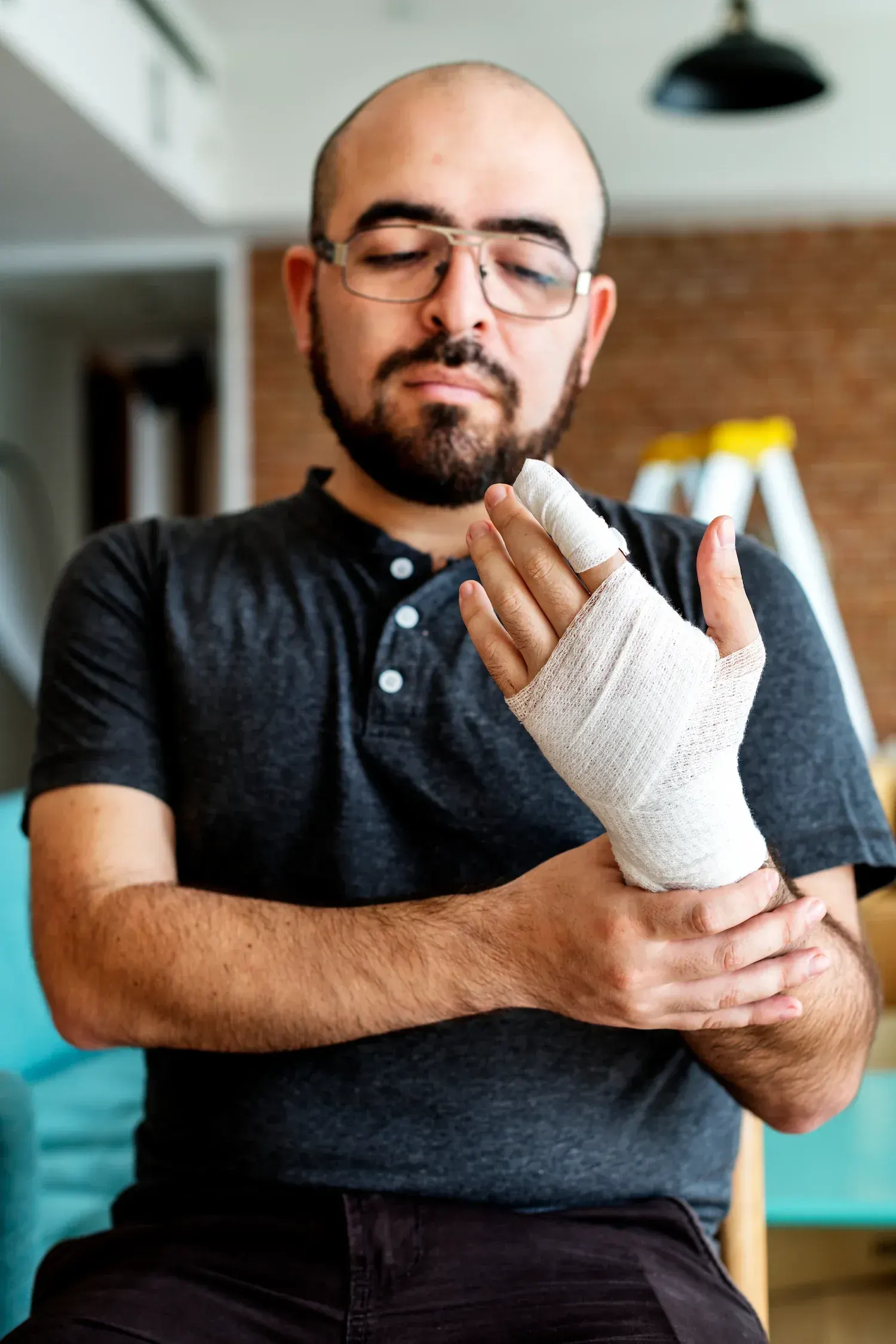

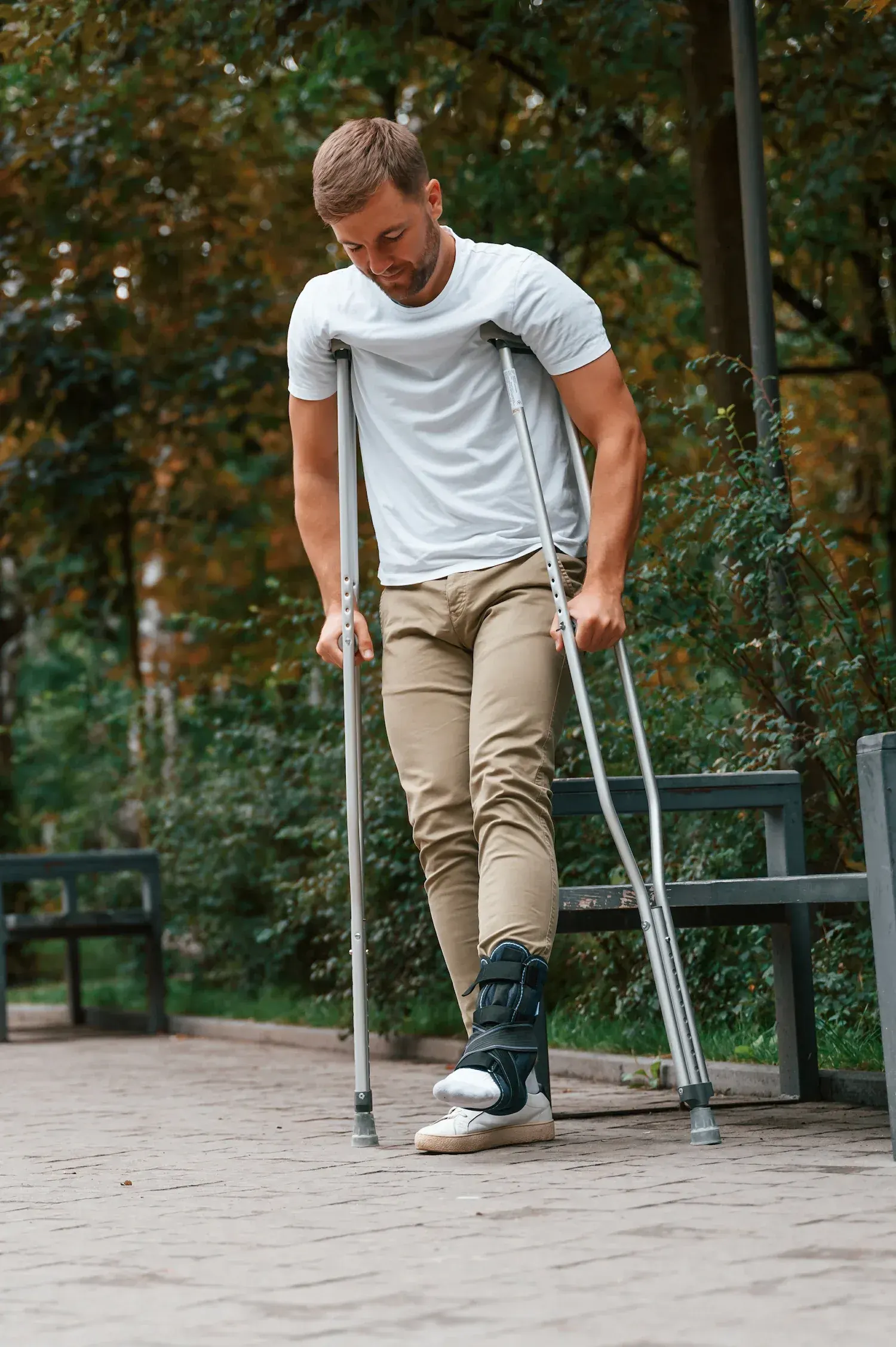
Diagram showing soft tissue and spinal trauma at Bensa Chiropractic and Wellness

Soft Tissue & Spinal Trauma

How Impact Forces Affect Recovery

The spinal column houses and protects the central nervous system, which controls every function in your body. When traumatic force displaces vertebrae or damages the intervertebral discs that cushion them, nerve roots exiting the spine can become compressed or irritated. This nerve interference affects not only local pain sensation but also organ function, muscle strength, and healing capacity throughout the body.

Myofascial trigger points, areas of tightly contracted muscle fibers, commonly develop after personal injuries as the body guards against further damage. These trigger points can refer pain to distant areas of the body, creating confusing symptom patterns that make it difficult to identify the true source of discomfort without a thorough chiropractic examination.

Inflammatory mediators released during the acute injury phase, including prostaglandins and cytokines, can perpetuate pain and swelling for weeks if the underlying structural misalignment is not corrected. Without proper intervention, this inflammatory cycle can lead to chronic conditions including degenerative joint changes and persistent nerve irritation.

Lifestyle factors affecting personal injury recovery at Bensa Chiropractic and Wellness Bradenton

What Leads to Personal Injury Pain?

Identifying Your Triggers

01

Slip & Fall Accidents

Falls on wet floors, uneven surfaces, or poorly maintained properties can cause spinal compression injuries, hip and shoulder impact trauma, and whiplash-like cervical strain from sudden deceleration.

02

Workplace Injuries

Repetitive strain, heavy lifting, falls from heights, and equipment-related accidents produce cumulative or acute musculoskeletal damage that often worsens without proper rehabilitation and ergonomic correction.

03

Pedestrian & Bicycle Accidents

Impact from vehicles or falls from bicycles generate significant force on the spine, often causing multiple areas of injury simultaneously that require comprehensive evaluation.

04

Recreational Injuries

Falls during physical activities, amusement park incidents, and sports-related collisions can cause hidden spinal misalignments that progressively worsen without professional intervention.

05

Delayed Symptom Onset

Adrenaline and endorphins released during traumatic events can mask pain for hours or days, allowing injuries to progress before patients recognize the need for medical evaluation and documentation.

Bensa Chiropractic and Wellness clinic interior in Bradenton Florida

Why Choose Bensa Chiropractic and Wellness

Expert Care in Bradenton

  • Trauma Protocol Certified
  • Thorough Documentation
  • Multimodal Treatment
  • Attorney Coordination

Treatment Options Comparison

Finding Your Best Approach

Treatment Best For Session Time Results Timeline Maintenance
Chiropractic Adjustments Spinal realignment & pain relief 15-30 min 1-4 weeks Weekly to biweekly
Physical Therapy Strength & mobility restoration 30-60 min 2-6 weeks 2-3x per week
Electrical Stimulation (E-Stim) Acute pain & inflammation 15-20 min Immediate relief Per session as needed
Spinal Decompression Disc injuries & nerve compression 20-30 min 4-8 weeks 2-3x per week initially
Person concerned about personal injury symptoms at Bensa Chiropractic and Wellness

You May Need Personal Injury Chiropractic If...

Recognizing When to Seek Help

  • Post-Accident Pain
  • Reduced Mobility
  • Radiating Discomfort
  • Insurance Documentation Needs
  • Headaches After Injury
  • Failed Self-Care

Frequently Asked Questions

About Personal Injury Chiropractic

01 How soon after an injury should I see a chiropractor?

We recommend scheduling an evaluation within 72 hours of the incident whenever possible. Early assessment establishes a baseline for your condition, identifies injuries before they worsen, and creates the initial documentation essential for insurance and legal claims. Even if symptoms seem mild, underlying spinal misalignments can progress without treatment.

02 Does insurance or workers' compensation cover chiropractic care for personal injuries?

In most cases, yes. Florida personal injury protection (PIP) insurance typically covers chiropractic treatment, and workers' compensation policies generally include chiropractic care for workplace injuries. Our team can help verify your specific coverage and handle the documentation your insurer requires.

03 How does chiropractic documentation support my legal claim?

Dr. Benejan Lorenzo and Dr. Santana Rodriguez create detailed medical records that document the nature and extent of your injuries, link them to the specific incident, track your treatment progress, and quantify functional limitations. This documentation provides the medical evidence attorneys and insurance adjusters need to evaluate your claim.

04 Can I combine multiple treatments for faster recovery?

Absolutely. Many personal injury patients benefit from a multimodal approach that combines chiropractic adjustments with physical therapy, electrical stimulation, and spinal decompression. Your treatment plan is customized based on your specific injuries, and our providers coordinate all modalities for optimal recovery.

05 What types of personal injuries do you treat beyond auto accidents?

We treat a full range of personal injuries including slip and fall accidents, workplace injuries, pedestrian and bicycle accidents, recreational injuries, and any incident causing musculoskeletal trauma. Each injury type presents unique patterns that our trauma-certified providers are trained to assess and treat.

06 How long does personal injury recovery typically take?

Recovery timelines vary based on injury severity, your overall health, and how quickly treatment begins. Many patients experience significant improvement within four to eight weeks, while more complex injuries may require 12 weeks or longer. We provide regular progress evaluations and adjust your treatment plan as you heal.

07 What if my symptoms appeared days after the injury?

Delayed symptom onset is extremely common with musculoskeletal injuries. Adrenaline and inflammation can mask pain initially, and conditions like soft tissue swelling may take time to develop. Our providers are experienced in evaluating and documenting delayed-onset injuries, which is important for both your recovery and any insurance claims.

Location4618 E State Road 64
Bradenton, FL, 34208

Schedule Your Consultation


Scientific References

  1. 1. PubMed (PMID: 28399251) - Systematic review and meta-analysis found spinal manipulative therapy associated with modest improvements in pain and function for acute low back pain at up to six weeks, with transient minor musculoskeletal harms.
  2. 2. PubMed (PMID: 32749874) - Evidence-based clinical practice guideline established best practices for chiropractic management of chronic musculoskeletal pain, including comprehensive evaluation, patient-reported outcome measures, and multimodal treatment approaches.
  3. 3. PubMed (PMID: 35295422) - Clinical review demonstrated the effectiveness and efficacy of chiropractic spinal manipulation for spine pain, supporting its use as a component of evidence-based multimodal care.
  4. 4. PubMed (PMID: 30681429) - Clinical practice guidelines for acute musculoskeletal injury pain management recommend multimodal rehabilitation strategies combining manual therapy, therapeutic exercise, and modality-based interventions for optimal recovery outcomes.