Comprehensive Spinal Evaluation
Your visit begins with a detailed assessment to identify disc involvement, spinal restriction, and areas contributing to lower back or neck discomfort.

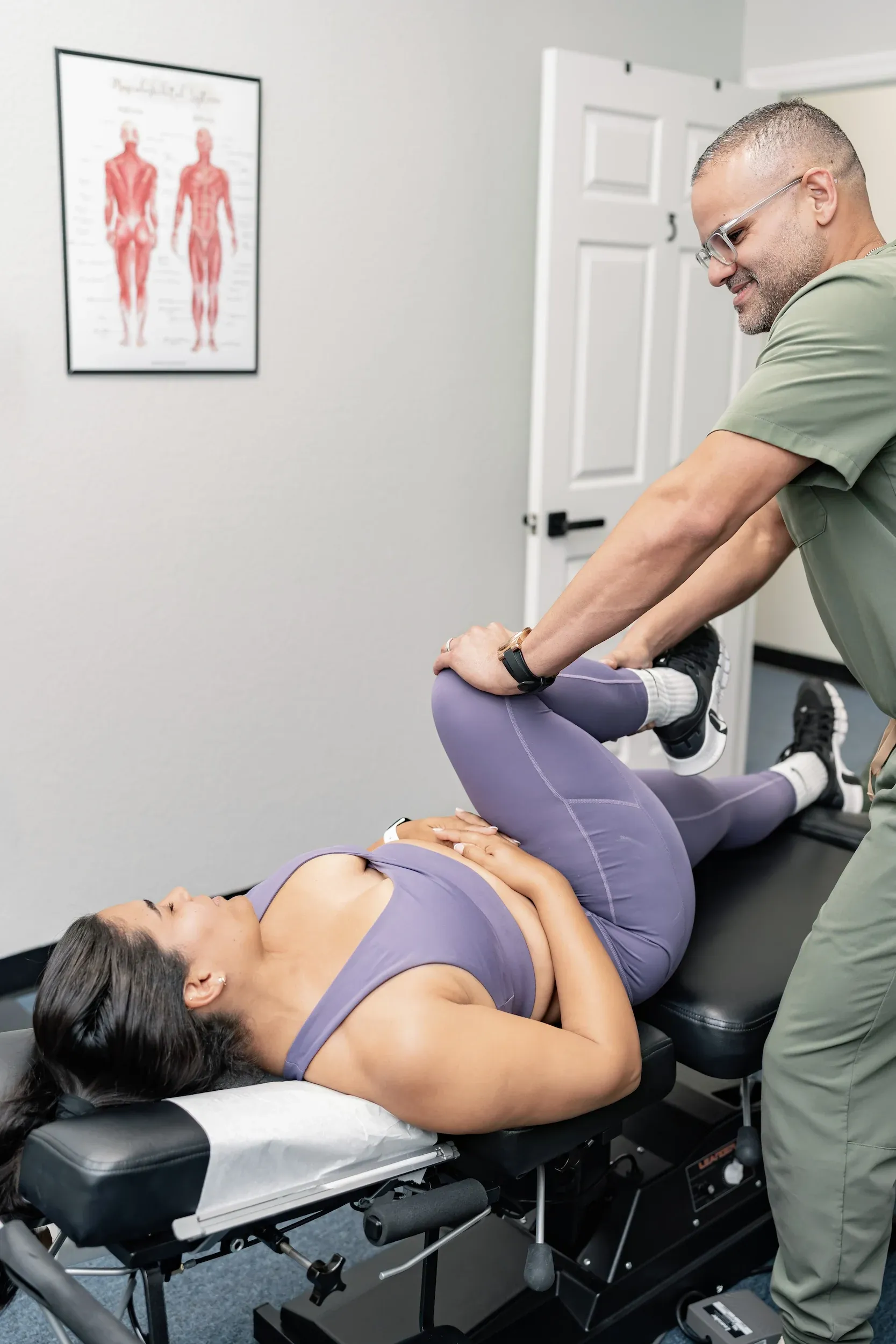
Non-surgical Flexion & Distraction therapy in Bradenton, FL for disc pain relief at Bensa Chiropractic and Wellness.
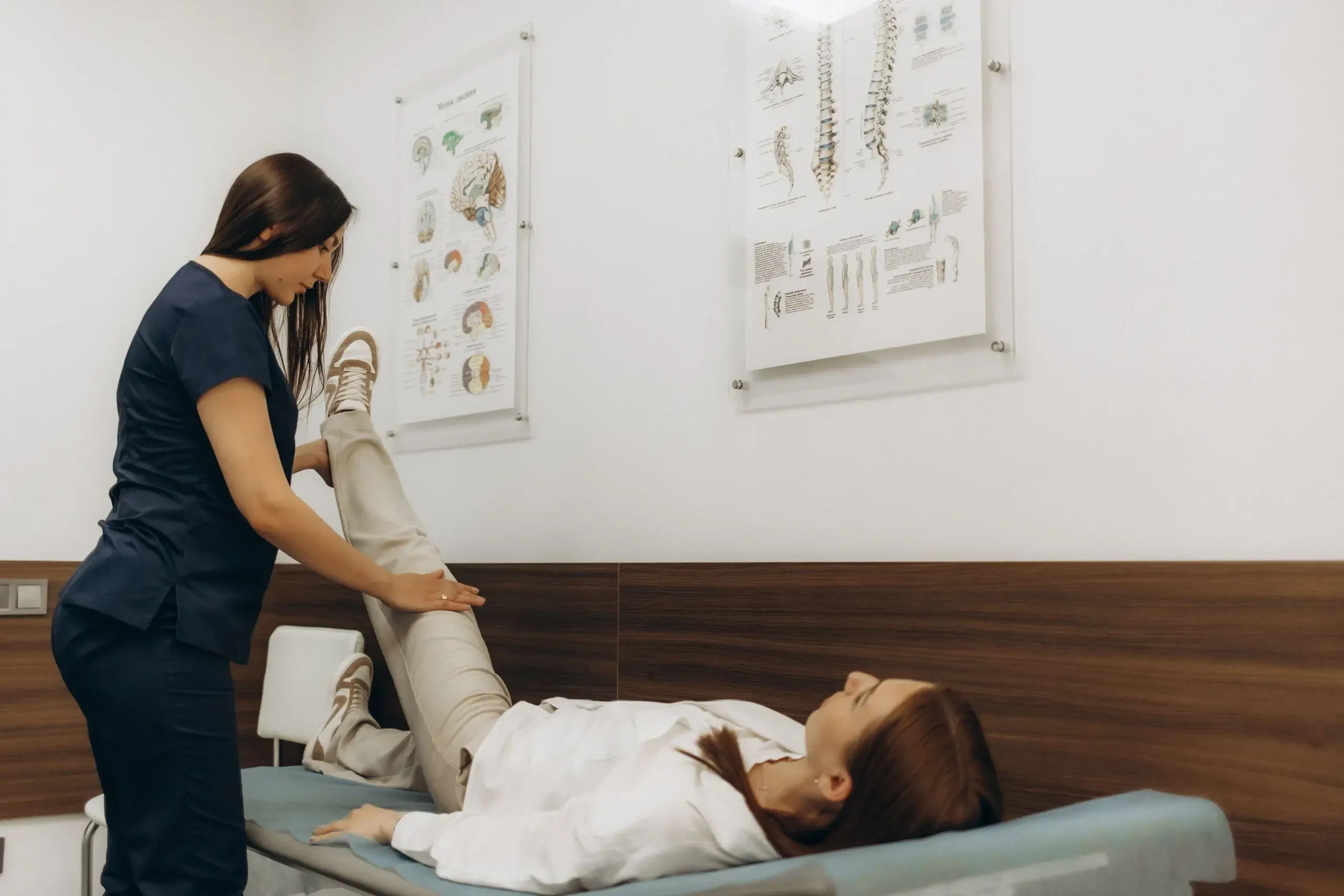
Understanding Disc Compression
Living with a herniated or bulging disc means constant negotiation with your own body. You hesitate before bending to pick something up, avoid lifting your children or grandchildren, and dread the morning stiffness that takes an hour to shake off. The radiating pain down your leg turns a short walk into an ordeal. Over-the-counter medications provide temporary relief but never address the root cause, and the thought of spinal surgery feels overwhelming. Many patients tell us they have slowly given up activities they love because the unpredictable flare-ups control their daily schedule.
Cox Flexion-Distraction therapy addresses the source of your pain by gently opening the spaces between your vertebrae. Using a specialized treatment table, we create controlled decompression that reduces intradiscal pressure by up to 192 mmHg. This draws herniated disc material away from compressed nerves while improving nutrient flow to damaged discs. The technique widens the spinal canal by up to 28 percent, giving pinched nerves the room they need. Most patients experience meaningful relief within four to six visits and can resume their normal activities without surgical intervention or dependency on pain medications.

The Science of Spinal Decompression
Flexion-distraction, formally known as Cox Technic, is a non-surgical spinal decompression method developed by Dr. James Cox. It uses a specialized segmented treatment table to apply gentle, rhythmic flexion and traction to specific spinal segments. The technique is one of the most widely researched chiropractic methods, with utilization rates of approximately 58 percent among practicing chiropractors nationwide.
The treatment works by creating controlled negative pressure within the intervertebral disc, a process called intradiscal pressure reduction. Research demonstrates that Cox Flexion-Distraction reduces intradiscal pressure by up to negative 192 mmHg in the lumbar spine. This negative pressure environment draws herniated or bulging disc material away from compressed nerve roots through a mechanism called the imbibition effect, which also improves the flow of nutrients and oxygen into the disc. Additionally, the technique increases the height of the intervertebral foramen, the bony opening where spinal nerves exit, by up to 28 percent, directly relieving nerve compression responsible for radiating pain and numbness.
Gentle, Effective Spinal Relief

Achieve meaningful disc decompression without incisions or anesthesia
Low-force technique suitable for patients of all ages and conditions
Return to daily activities immediately after each treatment session
Backed by clinical trials showing 79 percent effectiveness for sciatica relief
Reduce or eliminate reliance on pain medications and muscle relaxants
Compare Your Options
| Treatment | Mechanism | Time | Results | Duration | Downtime | Best For |
|---|---|---|---|---|---|---|
| Flexion-Distraction | Disc decompression | 15-20 min | 4-6 visits | Cumulative | None | Disc herniations, sciatica |
| Spinal Decompression | Motorized traction | 30-45 min | 15-30 sessions | Cumulative | None | Chronic disc conditions |
| Chiropractic Adjustments | Joint mobilization | 10-15 min | Varies | Per session | None | Joint restrictions, alignment |

Finding Your Path to Relief
Flexion-distraction therapy benefits a wide range of patients experiencing spinal disc-related pain, from young adults with acute herniations to older patients managing degenerative conditions.
During your initial evaluation, Dr. Benejan or Dr. Santana will perform a thorough examination including orthopedic and neurological testing to determine whether flexion-distraction is appropriate for your specific condition.
Your visit begins with a detailed assessment to identify disc involvement, spinal restriction, and areas contributing to lower back or neck discomfort.
Flexion & Distraction uses a specialized table that gently stretches and mobilizes the spine in a controlled, rhythmic motion to reduce pressure on spinal discs.
This technique helps relieve pressure within spinal discs, which may reduce irritation, bulging, and nerve compression.
Controlled flexion movements restore motion to restricted segments of the spine, supporting better flexibility and natural movement.
By decreasing spinal compression, the technique can help reduce radiating pain, numbness, or tingling associated with nerve irritation.
Regular sessions combined with supportive therapies may help stabilize the spine, promote healing, and reduce the likelihood of recurring discomfort.

What to Know
Flexion-distraction therapy is considered one of the safest chiropractic techniques available due to its low-force, non-thrusting approach. Common side effects are mild and typically resolve within 24 to 48 hours. These may include temporary muscle soreness in the treated area, mild stiffness as spinal structures adjust to their new positioning, and occasional localized tenderness at the contact points. Rare complications are uncommon but may include temporary increase in radiating symptoms during the first one to two sessions as the disc repositions, which typically resolves as treatment progresses. The technique carries significantly lower risk than high-velocity spinal manipulation, making it appropriate for patients with acute disc herniations, elderly patients, and those with osteoporosis. Cox Flexion-Distraction has been studied in multiple clinical trials and case series published in peer-reviewed journals, establishing a strong safety profile over decades of clinical use. Dr. Benejan and Dr. Santana's Palmer College training and trauma protocol certification ensure precise force application, minimizing any risk of adverse effects during your treatment.Flexion-distraction therapy sessions in the Bradenton, Florida area vary per visit, depending on the complexity of your condition and whether additional therapies are included in your treatment plan. A typical course of care involves 12 to 15 sessions over four to six weeks, though some patients with acute conditions may respond in fewer visits. Several factors influence your total investment, including the number of spinal segments treated, frequency of visits, and whether complementary therapies such as intersegmental traction or chiropractic adjustments are incorporated into your care plan.
Patients have several convenient ways to manage the cost of care:
We also provide a Good Faith Estimate (GFE) of expected charges for uninsured or self‑pay patients, as required under the No Surprises Act. This written estimate helps you understand and plan for your costs before receiving care.
Bradenton's Trusted Providers
Both providers graduated from the world's first chiropractic college
Advanced protocol certification for treating injury-related spinal conditions
Each treatment protocol is customized to your specific disc pathology
Dedicated Cox Flexion-Distraction table in a modern wellness environment
Enhance your flexion-distraction results with these complementary spinal therapies.

Structured rehabilitation therapies designed to relieve disc pressure, reduce inflammation, and restore functional movement.

Targeted chiropractic solutions adapted for specific age groups, activity levels, and recovery needs.
Your Questions Answered
Most patients require 12 to 15 sessions over four to six weeks, though some experience significant relief within the first four to six visits. Dr. Benejan or Dr. Santana will create a personalized treatment plan based on your condition severity and response to care.
No, the technique is gentle and well-tolerated by most patients. You will feel a rhythmic stretching sensation as the table creates controlled decompression. Many patients find the treatment relaxing, and some experience immediate pain relief during the session.
Yes, we frequently combine flexion-distraction with chiropractic adjustments and intersegmental traction for comprehensive spinal care. This multi-modal approach often produces faster and more lasting results than any single technique alone.
Clinical research shows that 79 percent of patients with sciatica caused by lumbar disc herniation achieved good to excellent outcomes with Cox Flexion-Distraction therapy, with 90 percent maintaining improvement at one-year follow-up.
Flexion-distraction uses manual, doctor-controlled movements on a specialized table, allowing real-time adjustment based on your response. Motorized spinal decompression uses a computerized system with preset protocols. Both reduce disc pressure, but flexion-distraction offers more precise, hands-on control.
Many health insurance plans cover chiropractic services including flexion-distraction. Coverage varies by provider and plan. Our office staff will verify your benefits before treatment begins and explain any out-of-pocket costs so there are no surprises.
Yes, research shows that flexion-distraction can benefit post-surgical patients with continued pain. A study found that 81 percent of post-surgical patients achieved greater than 50 percent pain relief with distraction manipulation. Dr. Benejan or Dr. Santana will evaluate your surgical history to determine if treatment is appropriate.