Comprehensive Spine Evaluation
Your visit begins with a detailed assessment to determine disc involvement, nerve compression, and the underlying cause of back or neck discomfort.

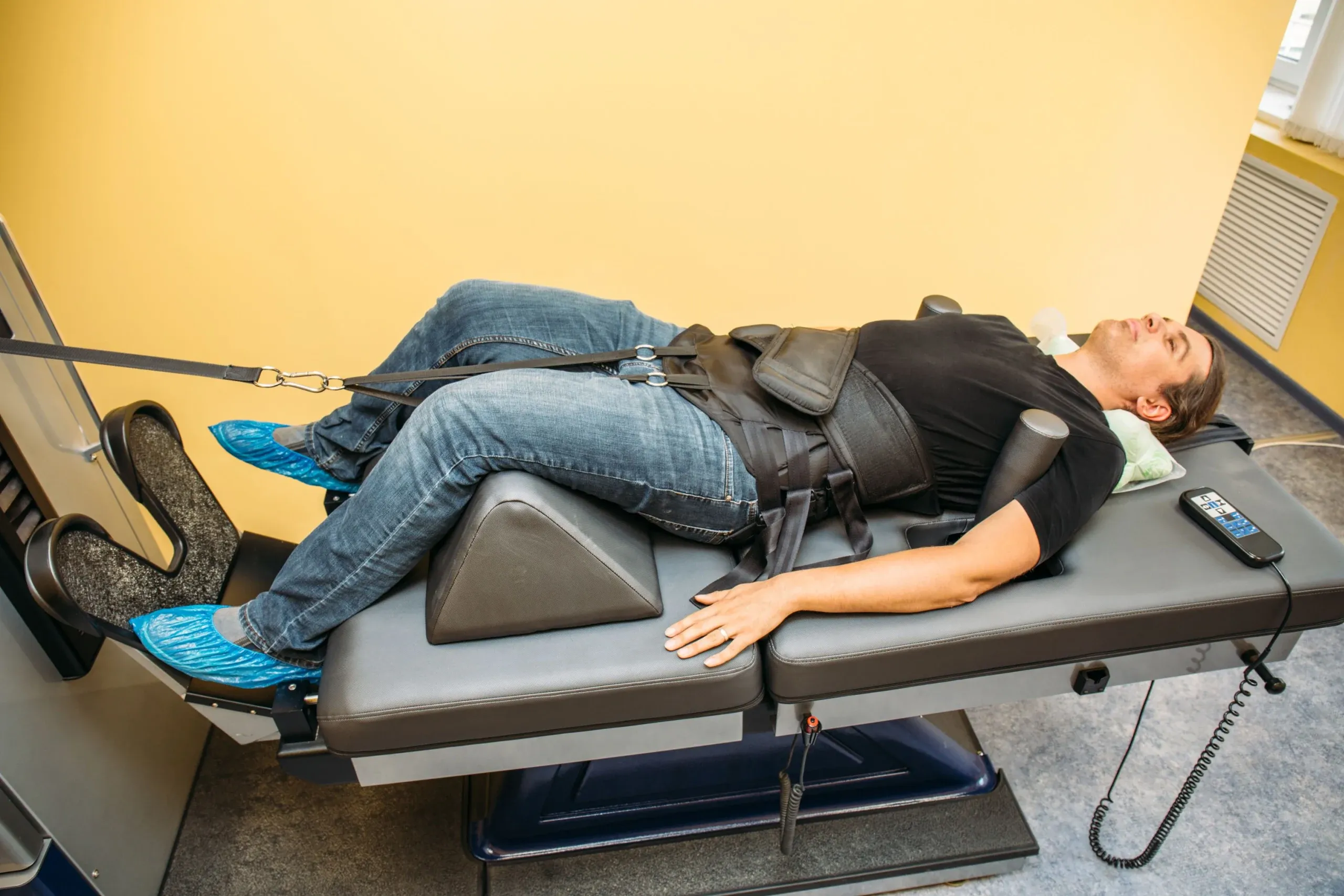
Non-surgical spinal decompression therapy in Bradenton, FL for disc pain relief at Bensa Chiropractic and Wellness.

Understanding Spinal Compression
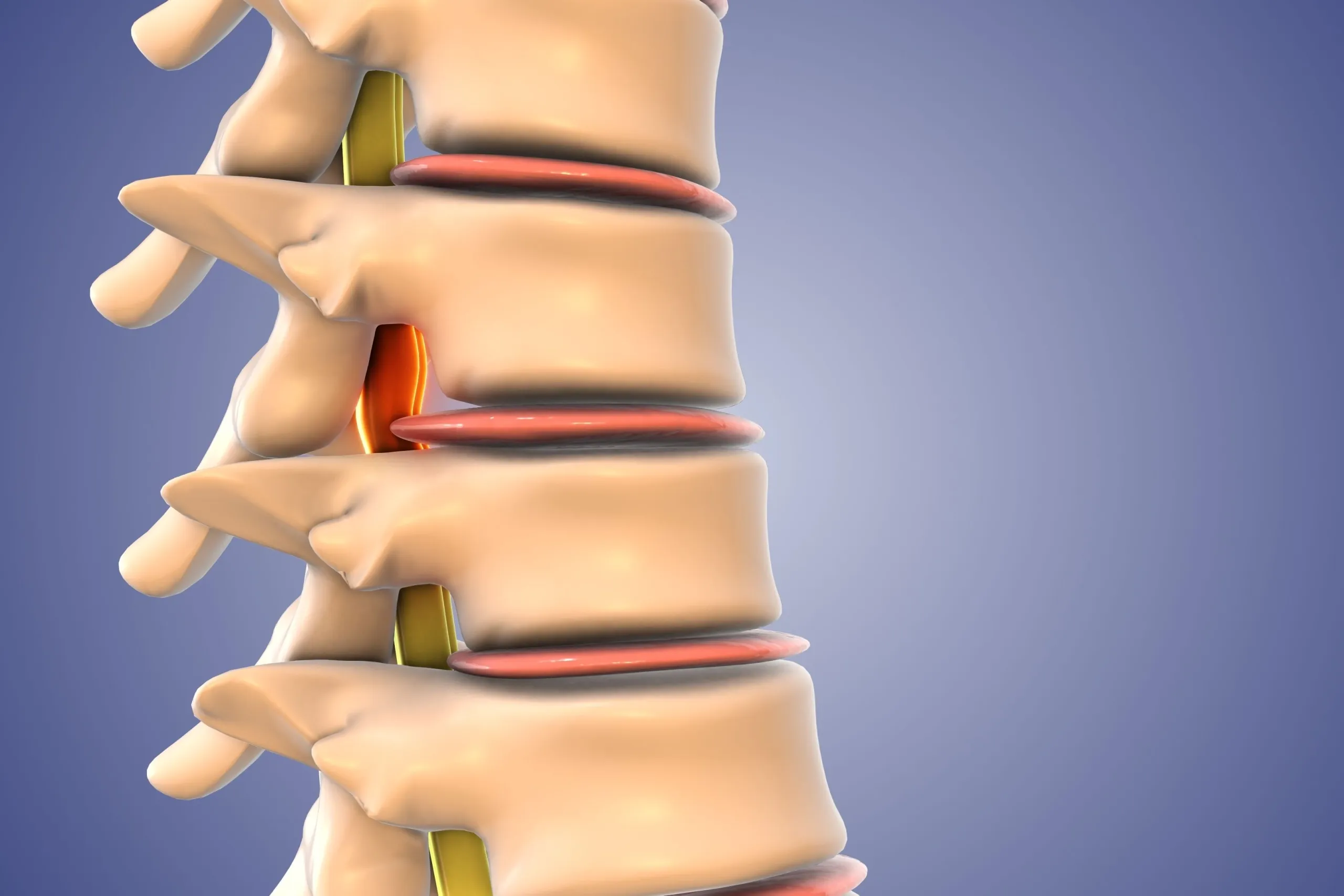
Herniated, bulging, or degenerating discs place constant pressure on the nerves that run through your spinal column. You may wake up stiff, struggle to sit through a workday, or find that bending to pick up your child sends a sharp jolt down your leg. Over time, the compressed disc loses hydration and nutrients, which accelerates further deterioration. Many patients try to push through the discomfort with over-the-counter medications, only to find the pain gradually worsening and limiting more of the activities they once enjoyed.
Non-surgical spinal decompression uses a computerized traction system to gently stretch the spine, creating negative intradiscal pressure that draws herniated or bulging disc material back toward the center. This negative pressure promotes the flow of oxygen, water, and nutrients into the disc, supporting your body's natural healing process. Patients typically notice reduced pain within the first several sessions, with progressive improvement as the disc rehydrates and nerve compression decreases.
The Science of Disc Rehabilitation
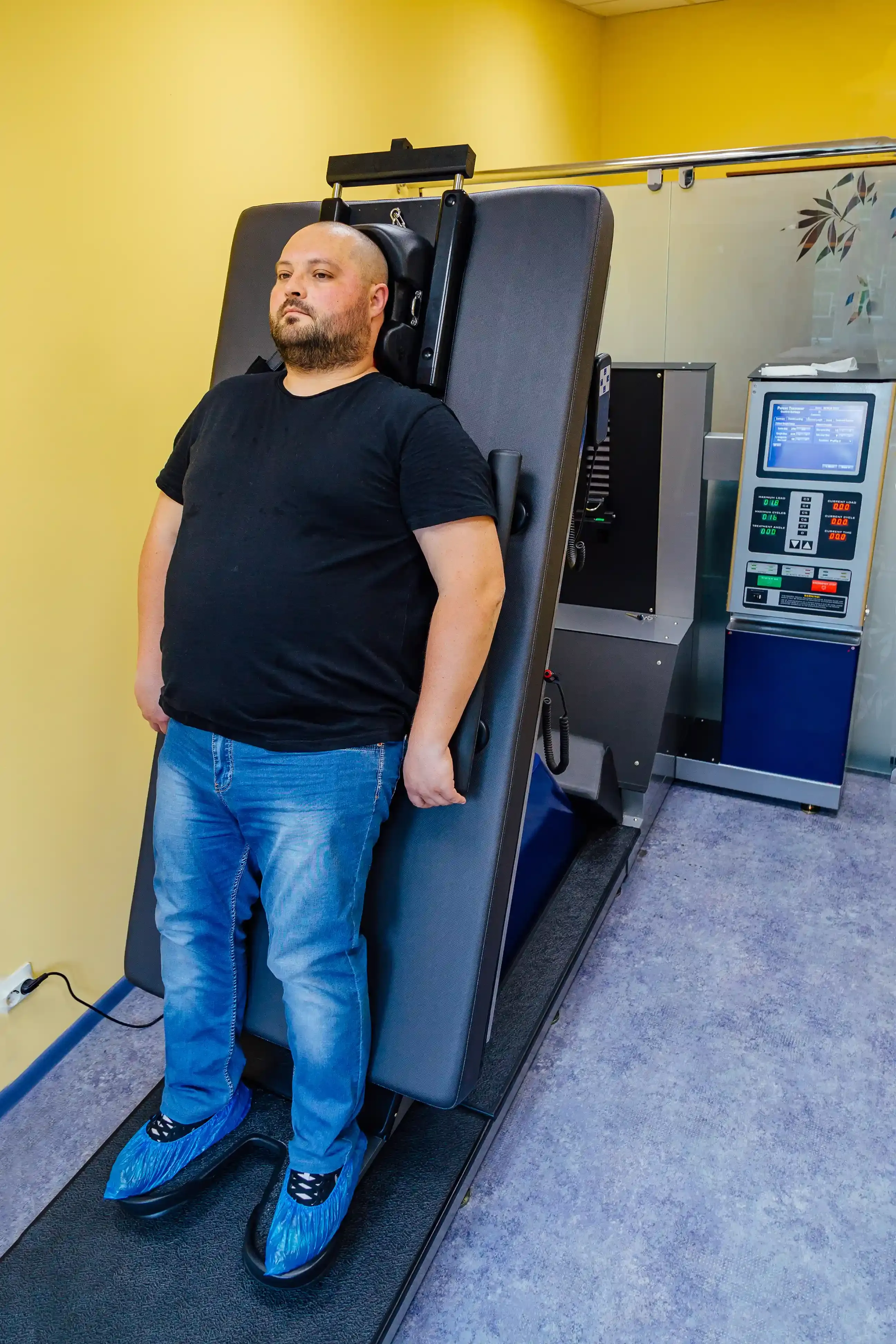
Non-surgical spinal decompression is a motorized traction therapy that uses a specialized table and computerized feedback system to gently decompress the spinal structures. The FDA-cleared technology applies precisely controlled pulling forces to the spine, creating negative intradiscal pressure, a phenomenon where pressure inside the disc drops to as low as -150 mmHg compared to the positive pressure that occurs during normal daily activities.
This negative pressure works through a principle called imbibition, which is the disc's ability to absorb fluids and nutrients when pressure is reduced. As the targeted disc segment is decompressed, herniated or bulging disc material is drawn back toward the center of the disc through the pressure gradient. Simultaneously, oxygen-rich fluids and nutrients flow into the disc space, promoting cellular repair and rehydration. Research has demonstrated that patients receiving spinal decompression therapy experience significant reductions in pain scores and improvements in functional disability compared to conventional traction alone.
Non-Invasive Disc Recovery

Avoid the risks, costs, and lengthy recovery associated with spinal surgery
Return to daily activities immediately after each treatment session
Address the source of pain without relying on medications or injections
Negative pressure draws nutrients and hydration into damaged disc tissue
Computerized system precisely targets the affected disc level for focused relief
Compare Your Options
| Treatment | Mechanism | Time | Results | Duration | Downtime | Best For |
|---|---|---|---|---|---|---|
| Spinal Decompression | Negative intradiscal pressure | 30-45 min | 4-6 sessions | Long-term relief | None | Herniated and bulging discs |
| Flexion-Distraction | Manual flexion stretching | 15-20 min | 2-4 weeks | Moderate duration | None | Disc pain with stiffness |
| Chiropractic Adjustments | Joint mobilization | 10-15 min | Immediate relief | Varies | None | Joint misalignment |
Finding Your Path to Relief
Non-surgical spinal decompression may be an effective option for many patients experiencing disc-related back pain who want to avoid surgery or reduce their dependence on pain medication.
Dr. Benejan and Dr. Santana perform a thorough evaluation including review of MRI or X-ray imaging before recommending decompression therapy. Absolute contraindications are assessed during your initial consultation to ensure your safety.
Your visit begins with a detailed assessment to determine disc involvement, nerve compression, and the underlying cause of back or neck discomfort.
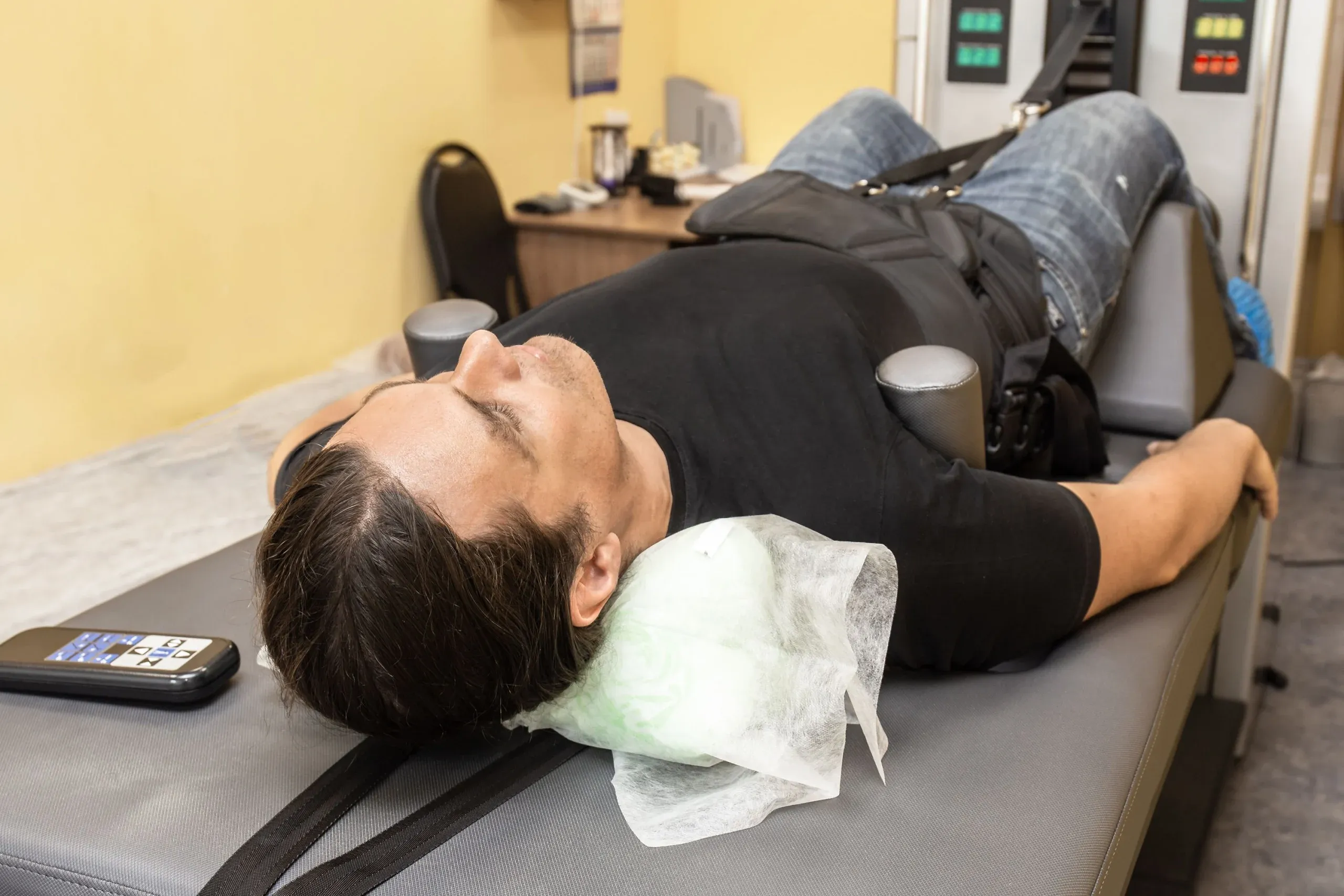
A specialized decompression table gently stretches the spine in controlled cycles, creating negative pressure within the discs to support healing.
Reducing pressure inside the spinal discs may help retract bulging or herniated material and decrease irritation on surrounding nerves.
The decompression process promotes the flow of oxygen, water, and nutrients into spinal discs, supporting natural recovery.
By relieving compression along the spine, this therapy may help decrease radiating pain, numbness, or tingling sensations.
A structured treatment plan combined with strengthening and supportive therapies helps maintain spinal stability and reduce recurrence of discomfort.
What to Know
Non-surgical spinal decompression is considered a safe, well-tolerated treatment when performed by qualified providers using FDA-cleared equipment. Common side effects include mild muscle soreness in the lower back or hips during the first few sessions, which typically resolves within 24 to 48 hours as your body adjusts to the therapy. Some patients may experience temporary muscle spasms or a brief increase in stiffness immediately following treatment. Rare side effects, occurring in less than one percent of patients, include temporary numbness or tingling in the extremities and headaches. These effects are generally mild and short-lived. The FDA-cleared decompression tables used at Bensa Chiropractic feature real-time biofeedback sensors that automatically adjust force levels if muscle guarding is detected, adding an additional layer of safety during every session. Dr. Benejan and Dr. Santana's trauma protocol certification ensures they can identify and respond to any unexpected reactions, and they perform comprehensive imaging review before beginning any decompression program.Non-surgical spinal decompression sessions in the Bradenton, Florida area typically range from $75 to $200 per session. Most treatment plans require 20 to 30 sessions over eight to 12 weeks, with total program costs generally falling between $1,500 and $4,500 depending on the severity of your condition, the number of sessions needed, and whether additional therapies such as chiropractic adjustments or intersegmental traction are included in your plan.
While many insurance providers do not cover non-surgical spinal decompression as a standalone treatment, Bensa Chiropractic and Wellness works with patients to explore coverage options and maximize any available benefits. We recommend contacting our office to verify your specific insurance plan's coverage.
Patients have several convenient ways to manage the cost of care:
We also provide a Good Faith Estimate (GFE) of expected charges for uninsured or self‑pay patients, as required under the No Surprises Act. This written estimate helps you understand and plan for your costs before receiving care.
Bradenton's Trusted Providers
Both providers graduated from Palmer College of Chiropractic with advanced spinal training
Each treatment plan is customized to your disc condition and functional goals
Decompression combined with chiropractic adjustments for comprehensive spine care
Specialized training in trauma protocols ensures safe treatment of complex spinal cases
Enhance your spinal decompression results with these complementary treatments.

Precise spinal correction techniques designed to support disc health and reduce nerve compression.

Muscle and fascia therapies that reduce surrounding tension and enhance spinal decompression results.
Your Questions Answered
Most patients require 20 to 30 sessions over eight to 12 weeks. Dr. Benejan or Dr. Santana will recommend a specific treatment plan based on your MRI findings, symptom severity, and response to initial sessions.
Most patients find the treatment comfortable and relaxing. You may feel a gentle stretching sensation in your lower back. The computerized system adjusts force automatically if it detects muscle guarding, ensuring your comfort throughout each session.
Yes, spinal decompression is often most effective when combined with complementary therapies. We frequently pair it with chiropractic adjustments for joint alignment, flexion-distraction for additional disc mobilization, or intersegmental traction to improve spinal flexibility.
Unlike conventional traction that applies a constant pull, spinal decompression uses a computerized feedback system that cycles between decompression and partial relaxation phases. This prevents muscle guarding and creates true negative intradiscal pressure for more effective disc healing.
Coverage varies by plan. Many insurance providers classify non-surgical spinal decompression as investigational, though some plans may cover it under chiropractic or physical therapy benefits. We recommend contacting our office to verify your specific coverage before starting treatment.
You may be a good candidate if you have a herniated disc, bulging disc, degenerative disc disease, or sciatica confirmed by imaging. Contraindications include spinal fractures, metal implants, pregnancy, and severe osteoporosis. A consultation with our doctors will determine your eligibility.
Many patients notice some improvement within the first four to six sessions. However, meaningful and lasting relief typically develops progressively through the full treatment course as the disc rehydrates and heals. Consistency with your treatment schedule is important for optimal outcomes.